Search the Community
Showing results for tags 'Cars'.
-
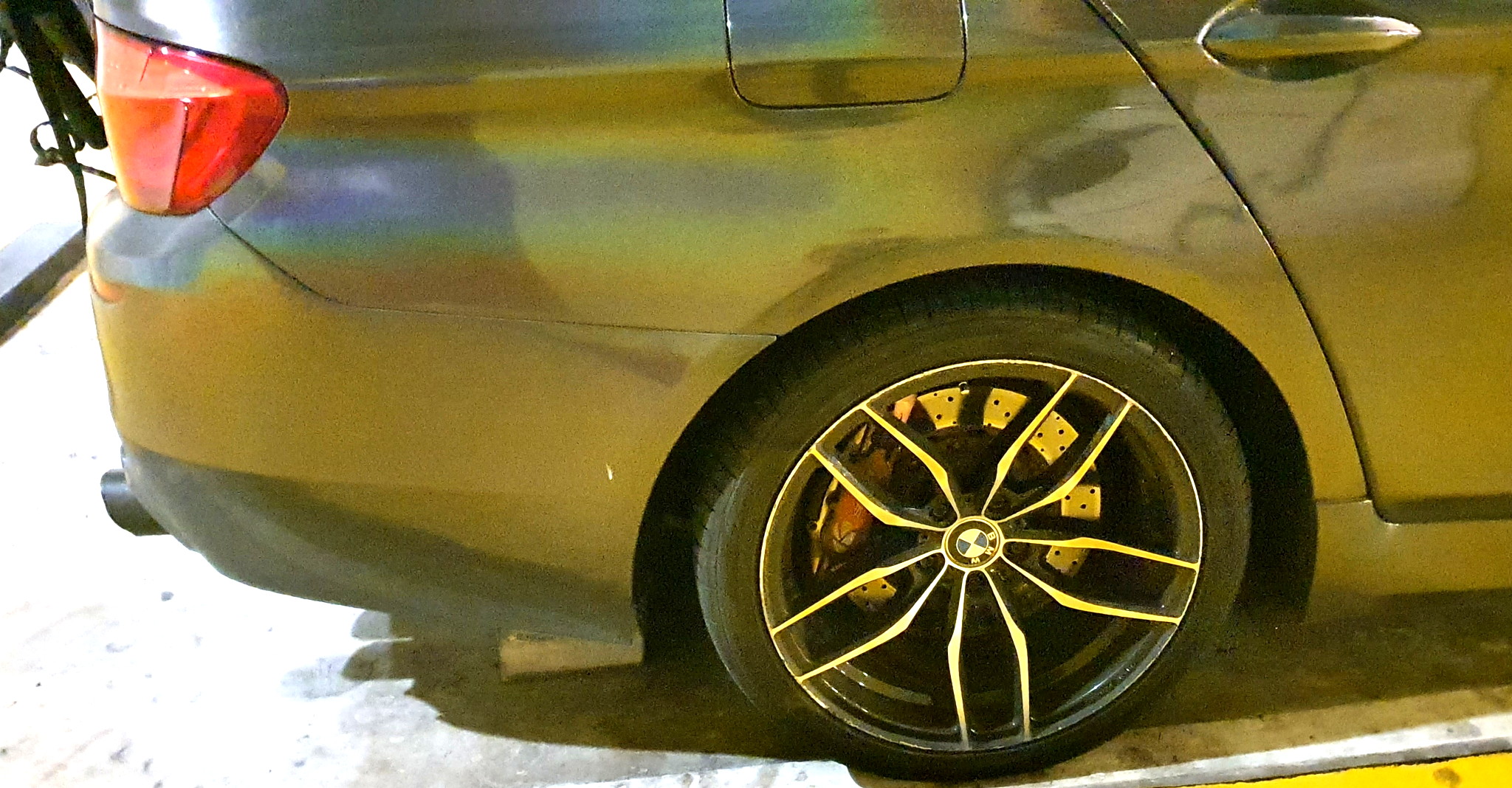
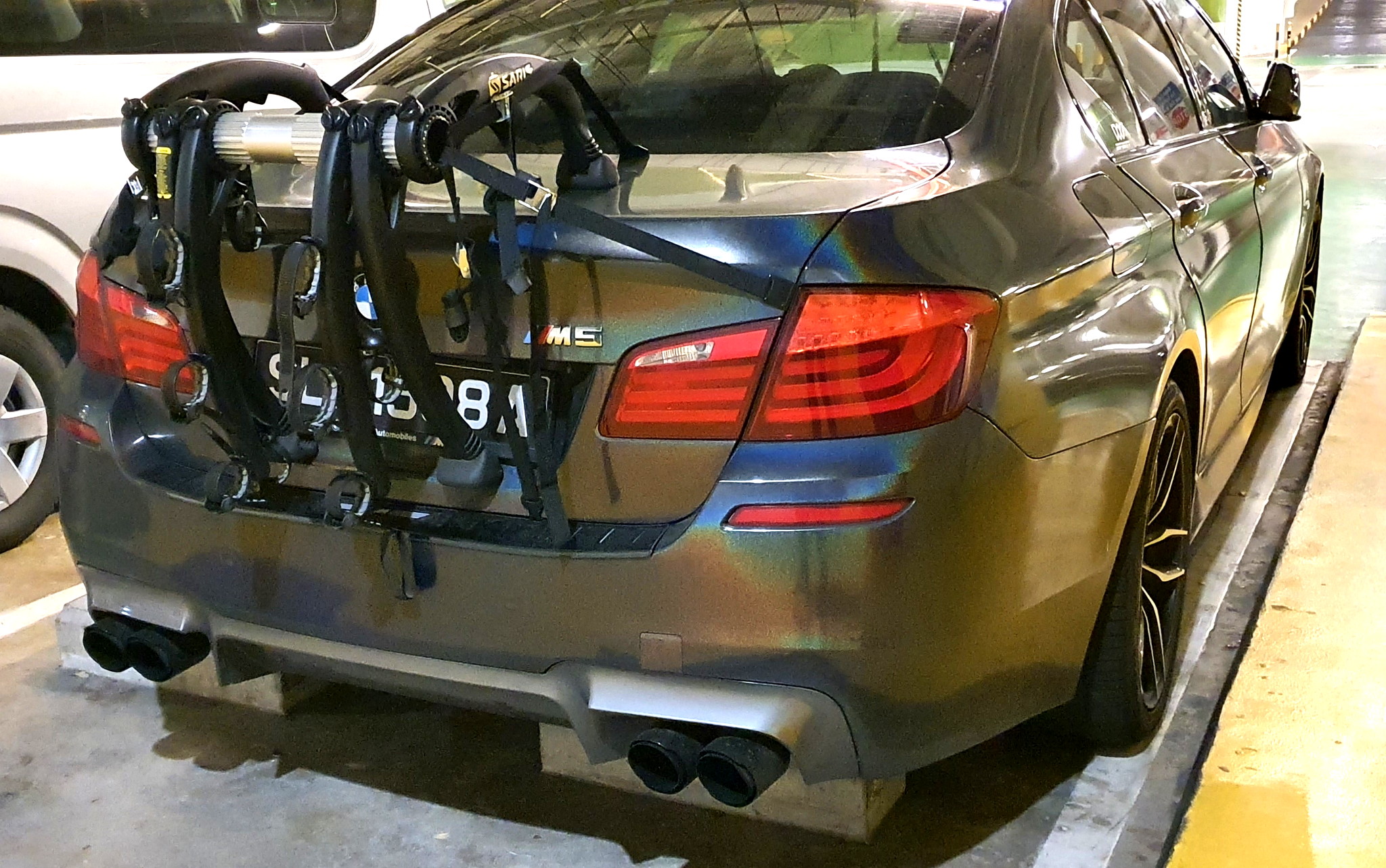
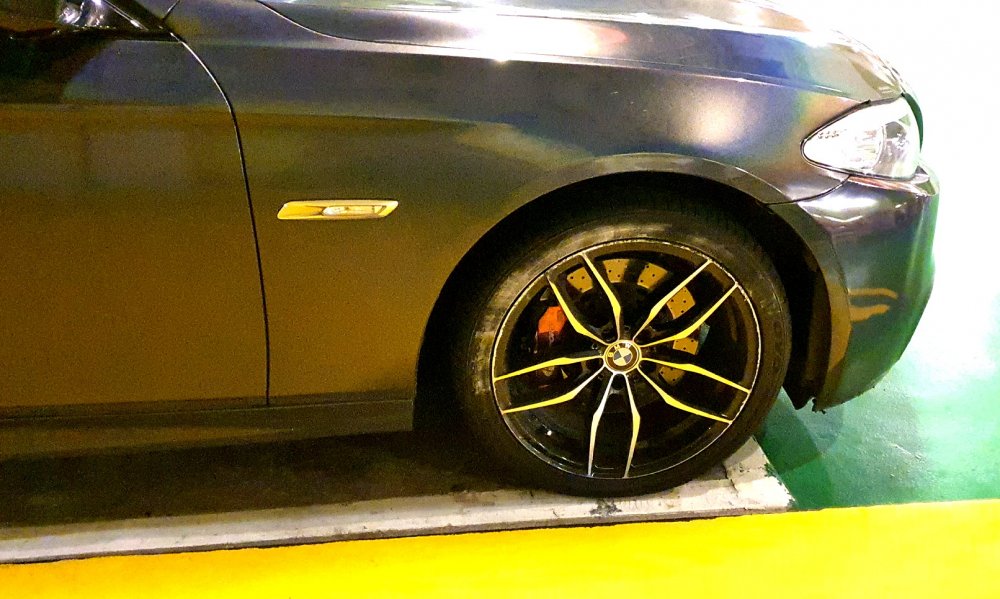
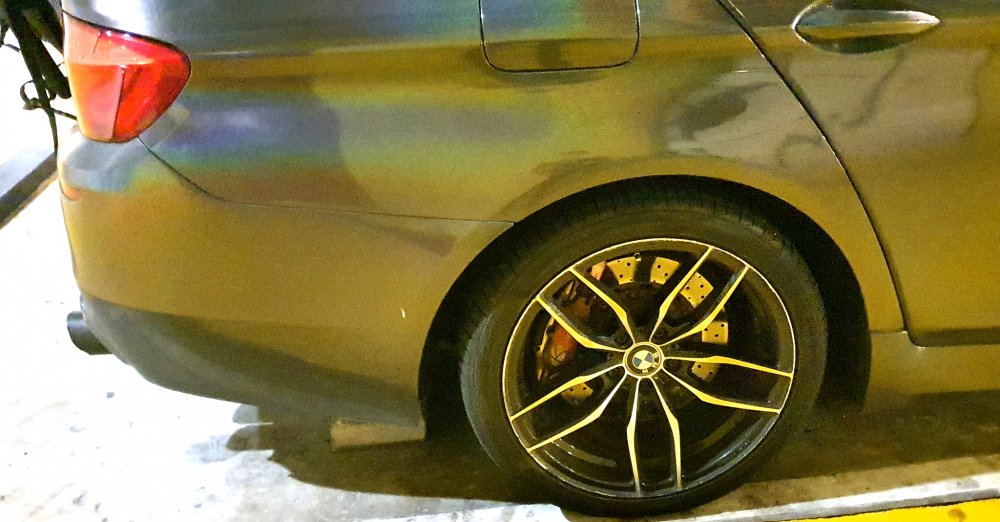
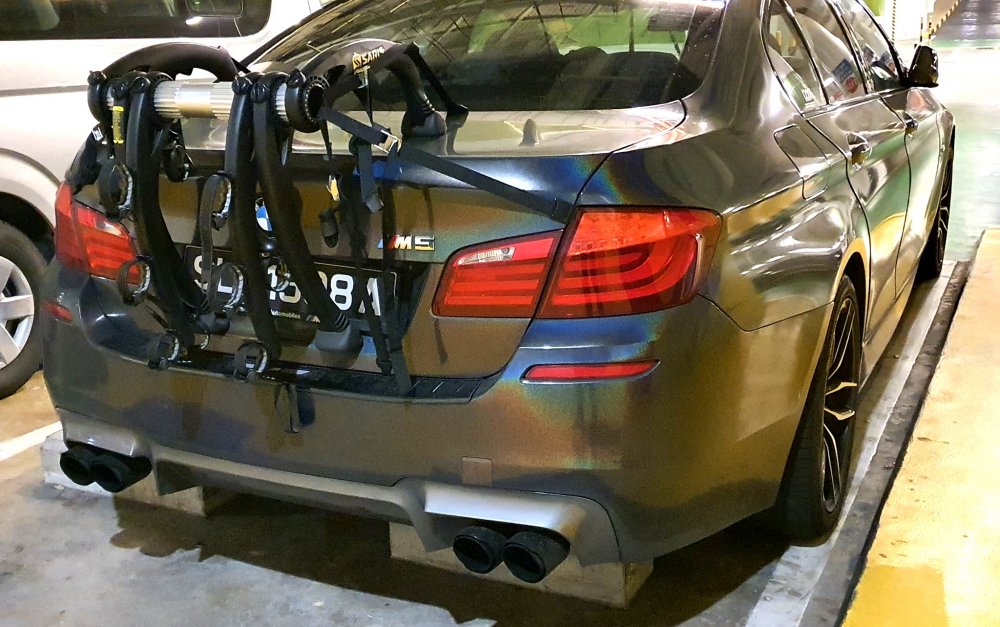
Noticed more and more cars on the road and in carpark lots that at first glance, looks like some model (usually higher performance of the range) but ultimately gives the game away with a lack of attention (or funds) to the details. I am not censoring out the VRN since I believe that anything that is on the outside of the car do not belong to you and if you dare to fake it, don't be afraid to flaunt it. Let me start off with this particular one I saw... Mods itself, I will say it is ok but why on earth will you put the ///5 badge there? Even putting just the /// badge beside the 535i is fine if it adds 5bhp...
-
thread too big continue here
-
Kinda sad that it is hard to find nowadays new cars with manual transmissions. Can anyone enlighten if one can still buy a MIT, MIJ or MIK manual transmission sedan?
- 391 replies
-
- 1
-

-
- manual transmission
- car
- (and 6 more)
-
Time for a new thread. Part 1, click here. Part 2, click here. This highly customised model is so cute, look just like a life size hot wheels toy car! Volkswagen Dune Buggy Not to be confused with the Australian built Country Buggy, the dune buggy (a.k.a beach buggy) is a recreational motor vehicle with large wheels, and wide tires, designed for use on sand dunes, beaches, roads or desert recreation.
-
hi guys, Here's my question. is it possible to buy a deregistered car in singapore and don pay the cost of actuallyusin it on the road?(no COE,etc etc) and just keep it? like those local race team, i here those cars have so much mods in them that they are pure track cars? since they are not registered, they are definitely not allowed on roads rite. lets say, i like this old car which is about to be scrapped. can i just pay the body value and keep the car somewhere(ie on private property)? or if u deregister a car, u die die have to scrap it or export it? I don intend to makea track car, but a car for another competition purpose in future. Is this possible? thanks guys. cheers
-

Which Car and Brand Will Be The Top Seller In 2026?
therock posted a topic in General Car Discussion
The battle is on... The EV onslaught is sweeping into Singapore and threatens to displace all other types of cars.. This tsunami is led by BYD, with GAC, Chery, MG, Geely and Tesla doing well too The rest of the traditional brands are languishing, and who will finish in the top ten? Some useful sites LTA publishes registration figures https://www.lta.gov.sg/content/dam/ltagov/who_we_are/statistics_and_publications/statistics/pdf/M03-Car_Regn_by_make.pdf And also the cost breakdown too so you can see what kind of margins are being offered. Bear in mind the actual sale price could be significantly lower, so do check with your dealers https://onemotoring.lta.gov.sg/content/dam/onemotoring/Buying/Car_Cost_Update/M032-Car_Cost_Update.pdf Traditional Asian marques like Mitsubishi, Nissan and even Honda are suffering, Euro brands like the VW including Skoda aren't doing too well either, the rest of the conti ones are also suffering due to the huge variety of EVs offered, not only by the larger companies, but the myriad of smaller brands. Some of these will not make it to 10 years IMO.. My own prediction: - BYD - Toyota (might struggle but with enough demand for non EVs this year, it may still be the runner up) - Tesla - Merc - BMW - Geely - GAC - MG - Cherry - Hyundai / Kia - Honda (with the aid of PI cars) What are your predictions? When the EV rebates get reduced again, things might look different, but for now this is what I think... I can see the cars coming off the RORO and apart from EVs, they refuel at the Shell opposite the Pasir Panjang hawker centre, so you can literally see what the dealers are bringing in.. And business is still good for the ICE cars ... well for now


-
There are many things Singaporeans can argue about. From COE and property prices to chicken rice and which MRT line is the most cursed, us Singaporeans will always want to have the last say. But among drivers, there is one debate that burns hotter than a Ferrari stuck on the PIE at 05:30pm: Which petrol station is the best? Unlike politics or religion, people actually have evidence. Or at least what they believe is evidence. Ask a Singaporean driver where he pumps petrol and you’ll get an answer delivered with the confidence of a Formula One engineer explaining tyre strategy. Esso fans will say, “Esso. The fuel lasts longer.” Shell loyalists, on the other hand, will share, "Shell. Better engine response." Then there is the SPC user, "SPC. Cheapest lah." Of course, we cannot leave out fans of Caltex. "Caltex. You don't understand the technology." Meanwhile, the rest of us are wondering if all these cars are secretly powered by rocket fuel. The fascinating thing is that most Singaporeans don’t merely use a petrol station. They join a petrol station. Loyalty or personality? It's almost a loyalty programme disguised as a personality trait. You can spot them immediately. The Shell loyalist carries enough bonus points to fund a small nation. The Esso loyalist knows exactly which station gives the best Smiles discount on Tuesdays after 7pm, during a full moon, while paying with a specific credit card. The SPC loyalist treats every dollar saved like a major financial victory. And the Caltex loyalist will casually bring up Techron in conversations that had absolutely nothing to do with fuel. "My aircon spoiled." "You know what helps? Techron." No, it doesn't. Then comes the truly remarkable part - the detour. Singaporeans will happily drive an extra 15 minutes to save three dollars on a tank of petrol. Think about that for a moment. We complain endlessly about traffic, COE prices and ERP charges. Yet many of us will willingly spend more time sitting in traffic just to visit our favourite petrol station because it’s two cents cheaper per litre. Do we need to rethink? Economists should study this phenomenon. A taxi uncle once told me he drove across town to pump petrol because the discount was “worth it”. I didn't have the heart to calculate how much fuel he used getting there. Of course, petrol stations in Singapore are no longer just places to buy fuel. They’re convenience stores, coffee stops, tyre inflation centres and emergency destinations when nature calls halfway through a long drive. Some people choose a petrol station based on prices. Others choose based on accessibility. Many choose based on whether the air pump actually works. And let’s be honest, that’s a perfectly valid reason. It’s brand devotion, methinks The funniest part is that nobody ever changes sides easily. A person who has pumped at Shell for 10 years isn’t suddenly switching to Esso because someone showed them a spreadsheet. This is football-club loyalty. Brand devotion at its best. A lifelong commitment forged through years of collecting points and redeeming free tissue boxes. So which petrol station is actually the best? The answer is simple. It's whichever one you're already using because every Singaporean driver has a favourite petrol station. And like all great Singaporean debates, nobody is changing their mind anytime soon. Not even for a discount. Well, maybe a very big discount. ~ Julian (Images from Unsplash)
-

Why finding parking feels better than getting a promotion
chrissyc posted a blog entry in MyAutoBlog
There are many moments of joy in life. Getting married. Watching your children take their first steps. Receiving a promotion you’ve worked years for. And then there’s finding an empty parking lot right in front of the place you’re heading to. For Singaporean drivers, that last one might actually rank surprisingly high. If you've ever driven into a crowded shopping mall on a weekend, you’ll know exactly what I'm talking about. The Hunt Begins It always starts with optimism. You enter the carpark convinced you’ll be in and out within minutes. After all, how crowded can it be? Three levels later, you've driven past 47 occupied lots, questioned your life choices twice, and become oddly invested in the movements of a stranger who may or may not be returning to their car. Suddenly, parking isn’t a practical task anymore. It’s a mission. Every empty lot feels like winning Toto The funny thing about parking in Singapore is that the satisfaction is completely disproportionate to the achievement. You neither scored a goal, nor did you close a million-dollar deal. You simply placed a vehicle between two white lines. Yet the feeling is incredible. Especially when the lot is near the lift lobby. Or better still, a sheltered lot. At that moment, you’re no longer an ordinary driver. You’re a champion. We become amateur detectives Singaporean drivers possess a special skill. We can spot someone returning to their car from 100m away. A person holding shopping bags? Potential lead. Someone pressing a key fob? Interesting. A couple walking purposefully towards a row of vehicles? This could be it. We follow these clues with the determination of seasoned investigators. Oh, the disappointment when they walk past their car and disappear into another part of the carpark is genuinely heartbreaking. The unofficial parking Olympics Finding parking also brings out our competitive side. You spot an empty lot. So does another car. Now begins a silent contest involving eye contact, positioning, and strategic signalling. Nobody says a word. Yet both drivers know exactly what’s happening. It’s one of Singapore’s most intense sporting events. Why it matters so much The answer is simple. Cars are expensive in Singapore. Driving itself is often stressful. Traffic exists. ERP exists. COE exists. So when something finally goes in our favour, we celebrate. An excellent parking lot can genuinely improve the rest of your day. Nobody talks about this enough. A parking lot near the entrance means less walking under the hot sun, less carrying heavy shopping bags across a giant carpark, and less trying to remember where you parked three hours ago. These are small victories, but they matter… The real Singaporean dream For many Singaporeans, luxury isn’t necessarily a bigger house or a faster car. Sometimes it’s arriving at a crowded destination and immediately finding a parking lot. No waiting and no circling. Most certainly no following random strangers in the hope they’re leaving. Just drive in, park, and walk away. Pure bliss. Better than a promotion? Perhaps finding parking feels better than getting a promotion because promotions happen once every few years. A perfect parking lot can happen today. Or tomorrow. Or if you're particularly lucky, twice in the same week. And unlike promotions, nobody expects extra responsibilities afterwards. You simply lock the car, admire your parking job for a brief moment, and continue with your day feeling like you've beaten Singapore itself. For local drivers, that's sometimes more than enough. ~ Julian (Images from Sgcarmart, Unsplash) -
I don’t need a bigger car, said every Singaporean right before buying an SUV
chrissyc posted a blog entry in MyAutoBlog
“I don’t need a bigger car.” Every Singaporean who has ever bought an SUV has probably said that at some point. Usually while standing next to a perfectly sensible hatchback. Or a saloon. Or a compact crossover that’s already larger than 90% of the cars our parents grew up with. Something happens. Something always happens Then something happens. And six months later, they’re taking delivery of an SUV the size of a small condominium. The transformation is almost always predictable. It starts innocently enough, though. You tell yourself that you’re a practical person. You don’t need a massive vehicle. Most of the time, you’re just driving to work, picking up groceries, and occasionally heading to Johor for a fuel run that somehow turns into a full-day shopping excursion. A small car is more than enough. Then life begins presenting arguments. Very convincing arguments. It’s the wife. It’s always the wife The first is usually family, which is mostly dictated by the missus Maybe it's a new baby. Maybe it's ageing parents. Maybe it’s both. One day, you're loading a stroller into the boot and suddenly realise the stroller occupies roughly 97% of the available space. The remaining 3% is currently being used by a packet of wet wipes. You immediately start browsing SUV reviews. Not because you want one, but just to “see what’s available” and the “show the wife you’re as invested in an SUV as her”. Sure. Then comes the famous Singaporean phrase: “What if?” What if relatives are visiting? What if you need to transport a bicycle? What if you decide to start camping? What if the entire extended family suddenly needs a ride to Changi Airport? These situations might happen once a year, but somehow they become the foundation of a major purchasing decision. I know people who bought seven-seaters despite having only three family members. They're basically preparing for scenarios that would require a military logistics operation. It’s the appeal. There’s always an appeal But that’s part of the appeal. SUVs sell peace of mind. The extra space isn’t just about what you’re carrying today. It’s about what you might carry tomorrow. The funny thing is that most SUVs in Singapore rarely see anything remotely adventurous. Marketing videos show them crossing rivers and climbing mountains. Meanwhile, the average local SUV spends its life tackling the steep ramp at an HDB multi-storey car park. Occasionally, it ventures into a basement car park at a shopping mall, where its owner proceeds to drive at 4km/h while looking intensely at the parking guidance system. It’s SUVs. It’s almost always SUVs Adventure comes in many forms. To be fair, there are good reasons why SUVs have become so popular. The higher seating position improves visibility, the cabin feels roomier, and getting elderly passengers in and out is easier. And let’s be honest, Singapore roads are filled with SUVs because they simply fit modern lifestyles very well. They’ve become the default choice for families, professionals and practically anyone who wants a little more versatility. But what fascinates me is how predictable the journey always is. Nobody wakes up one morning and says, “I’ve always dreamt of owning a large SUV.” Instead, they spend months insisting they don’t need one. Then they test-drive one. Then another. And another. Then they discover how comfortable it is. How spacious it feels and how practical it can be. And before long, they’re explaining to friends why a bigger car is absolutely necessary. Which is why whenever someone tells me, “I don't need a bigger car,” I simply nod and smile because I've heard that story before. Chances are, they’re already shopping for an SUV. -
There was a time when buying a car in Singapore was simple. You chose something reliable, checked whether the boot could swallow a stroller or a golf bag (depending on your age), negotiated the price, and hoped the salesperson threw in solar film, floor mats and maybe a dashcam. Today, buying a car feels a bit more like hiring a very clever personal assistant - one that can park itself, brake before you panic, remind you to stay in lane, monitor your driving habits, update itself overnight and quietly judge your parallel parking at Cross Street. Yes, the age of smart cars has arrived. And yes, your next car might genuinely be smarter than your smart… phone. Cars are no longer just machines Modern cars are becoming rolling computers. Electric vehicles, hybrids and even mainstream petrol cars now come packed with large touchscreens, voice control, connected apps, advanced driver assistance systems, over-the-air software updates and more sensors than a Singaporean parent monitoring PSLE preparation. The car no longer just starts, moves and stops. It watches, learns, assists and occasionally nags. Drift too close to the lane marking? It vibrates the steering wheel. Brake too late? It flashes warnings. Forget to check your blind spot? It lights up like your granny screaming at you. In Singapore traffic, this is not a bad thing. Between lane-changers, delivery riders, buses, PHVs and that one driver who believes signalling is a sign of weakness, a little extra intelligence is welcome. EV has accelerated the smart-car revolution Electric vehicles have pushed this transformation even harder. That’s because EVs are more software-driven by nature, and many feel less like traditional cars and more like devices on wheels. Battery status, charging schedules, route planning, energy consumption and climate control can often be managed from an app. Some cars can pre-cool the cabin before you reach the carpark – which admittedly, in Singapore, is a necessity. Singapore is also moving clearly towards cleaner-energy vehicles, with all new car registrations required to be cleaner-energy models from 2030, and a broader national direction towards 100% cleaner-energy vehicles by 2040. Charging infrastructure is also expanding, with Singapore targeting 60,000 EV charging points by 2030, making the smart, connected EV lifestyle increasingly practical rather than merely futuristic. But smart does not always mean simple All that’s said, here’s the irony: As cars become smarter, drivers sometimes become more confused. Once upon a time, the most complicated button in a car was the rear demister. Now, changing the air-con vent direction may require three touchscreen menus, a software update and the patience of a monk. There is also the question of trust. Do we really want our cars deciding when to brake, how to steer, which route to take, and whether our driving efficiency deserves a smug little eco score at the end of the journey? Because nothing humbles a grown adult faster than spending $200,000 on a car, only for it to tell you that your acceleration style is “inefficient”. Helpful. Very helpful, indeed. The Singapore car buyer is changing too For Singaporeans, a car is not just transport. It is a major financial decision wrapped in COE, ARF, road tax, insurance, parking and family approval. That means smart features must do more than impress during the showroom demo. They need to make ownership easier. A genuinely smart car should help drivers save energy, reduce stress, improve safety, simplify parking, track maintenance and integrate smoothly into daily life. It should make the school run, grocery trip, office commute and weekend escape feel more effortless. In other words, clever technology should serve the driver without turning every journey into an IT support ticket. So, is smarter always better? Well, I reckon mostly, yes. The best modern cars are not just faster, cleaner or quieter. They are more aware, more connected and more helpful. They reduce the boring bits of driving so we can enjoy the meaningful ones. But the smartest car is not the one with the biggest screen or the most dramatic welcome animation. It is the one that understands what Singapore drivers actually need: Comfort in traffic, confidence in tight carparks, efficiency in ownership, and enough intelligence to help without making the driver realise he’s quite a useless person behind the wheel (and it could be true to a certain extent). Which is why there’s a good chance your next car may indeed be smarter than your phone. Just don’t be surprised if it also thinks it’s smarter than you. ~ Julian
-
Walk around any carpark in Singapore and you'll see hundreds of cars that look perfectly normal from the outside. But open the doors, and suddenly you're looking into a parallel universe. As someone who has spent years reviewing cars, attending launches, and talking to owners from every corner of Singapore, I've come to realise that cars are more than just transportation. They're mobile storage units, emergency shelters, dining rooms, and occasionally, museums of questionable life choices. Here are some of the weird things Singaporean drivers keep in their cars. 1. An umbrella collection Singaporeans don’t trust the weather. One minute it’s blazing hot. The next, you’re wondering whether Noah’s Ark has a COE. That’s why many drivers keep not one, but three or four umbrellas in their cars. Best part of all, some don’t even remember putting them there. At some point, every car mysteriously becomes an umbrella warehouse. 2. Plastic bags from previous generations Open the boot and you’ll often discover enough plastic bags to start a small NTUC branch. Nobody knows why they’re there. They just accumulate over time. Drivers keep them because “they might be useful someday”, which is the same logic people use when keeping old phone chargers that haven’t matched any device since 2012. 3. Emergency snacks that were supposed to be temporary Every Singaporean driver has a snack hidden somewhere. Maybe it’s a packet of biscuits. Maybe it’s sweets. Maybe it’s a pineapple tart left over from Chinese New Year. The intention is always noble. “What if I get hungry in traffic?” The reality is that the snack remains untouched for six months and becomes an archaeological discovery during spring cleaning. 4. The mysterious receipt collection You paid for parking. You drove away. The transaction is complete. Yet somehow that parking receipt lives in your door pocket forever. Many cars contain receipts from ERP top-ups, petrol stations, eateries, and shopping centres from years ago. Future historians may use them to study Singapore’s inflation rate. 5. One lonely shoe Nobody knows how this happens. Families with kids are especially vulnerable. At some point, a single shoe appears in the car and stays there indefinitely. Its partner is nowhere to be found. The shoe becomes part of the vehicle’s permanent equipment. 6. An entire charging cable ecosystem USB-C. Lightning. Micro-USB. You name it, it’s there. Perhaps even a cable that charges a device nobody in the family owns anymore The modern Singaporean car often carries enough charging cables to support a small electronics store. Nobody wants to get caught with a dead phone, so the collection keeps growing. 7. Reusable shopping bags. Lots of them The goal was simple. Bring reusable bags to reduce waste. Instead, many of us now have 15 reusable bags permanently living in the boot while continuing to forget them when entering the supermarket. The irony is beautiful. The car is a reflection of us Perhaps the strangest thing isn’t the umbrellas, receipts, snacks or missing shoes. It’s how every car quietly tells a story about its owner. Some are meticulously organised. Others look like a storage room on wheels. But that’s what makes driving in Singapore interesting. Behind every tinted window is someone carrying around a little collection of life’s necessities, memories, and random objects they “swear they’ll clear out this weekend”. Of course, if you’re reading this while sitting in your car, perhaps it’s time to check what’s lurking under your seats. You may be surprised by what you find. Or worse, reminded of where that missing shoe went. ~ Julian (Images from Unsplash)
-
Why we’ll drive 15 minutes further just to save $2 on parking
chrissyc posted a blog entry in MyAutoBlog
Singaporeans are an interesting bunch. We’ll spend $180 on a fancy steak dinner without blinking. We’ll queue 45 minutes for fried kway teow at Hong Lim Market & Food Centre. Some of us will even happily pay several thousands more above the listed price for a Rolex simply because “I like the watch”. But ask us to pay an extra $3 for parking? Suddenly, we transform into forensic accountants. We’ve all done it. You’re heading to town, and someone says, “Don’t park there lah. Go further down. Cheaper.” Never mind that the “further down” carpark requires a seven-minute walk, three traffic lights, and navigating through an underpass that feels like an escape room. The parking is $2 cheaper. And apparently, that’s all that matters. We all just want to feel like a winner I once had a friend who drove around Marina Bay for almost 20 minutes searching for a cheaper parking lot. By the time he found one, he had probably burnt enough fuel to erase the savings entirely. But in his mind? Victory. This peculiar behaviour isn’t limited to parking either. Singaporean drivers have an almost supernatural ability to detect savings. We’ll compare petrol station discounts like stockbrokers analysing market trends, and that’s perfectly fine. At this point, it sounds less like refuelling a car and more like planning a corporate merger. Yet the funniest thing is that many of us rarely apply the same logic elsewhere. We’ll drive a $200,000 car but refuse to enter a carpark charging $5 an hour. We’ll pay for premium car grooming packages but complain about a modest ERP charge. We'll spend thousands on aftermarket wheels and then circle the block four times to avoid paying for valet parking. The mathematics rarely make sense. But the feeling does. And that’s because for many Singaporeans, finding a bargain isn’t really about the money. It’s about winning. A small victory against the relentless costs of living in one of the world’s most expensive cities. Every cent counts Let’s be honest. Car ownership here is already expensive enough. Between COE, road tax, insurance, servicing, ERP, fuel, and parking, every driver knows the numbers add up quickly. So when we save $2 on parking, however irrational it may seem, it feels like we’ve clawed something back. It’s arguably the same reason people will drive to Malaysia just to fill up on fuel and buy groceries. The savings become part of the adventure. Of course, there comes a point where common sense should prevail. If you're driving 15 minutes further, spending fuel, adding stress, arriving late, and making your passengers question your life choices, perhaps the extra $2 wasn’t the enemy after all. I am no different, by the way… Then again, that’s easy for me to say. Tomorrow, I'll probably be the one rejecting a perfectly convenient carpark because another one is charging 30 cents less. Because deep down, every Singaporean driver believes there’s a better deal just around the corner. And, believe me, we’re more than willing to drive 15 minutes to find it. ~ Julian -
Why every Singaporean driver thinks they can run traffic better than the LTA
chrissyc posted a blog entry in MyAutoBlog
There are two things Singaporeans are exceptionally good at: Complaining about the weather. And believing we can manage traffic better than the Land Transport Authority (LTA). In fact, give any Singaporean driver five minutes in a traffic jam and they'll transform into a transport minister, urban planner, and traffic engineer all at once. You’ll hear things like, “Why don’t they just make this a right-turn lane?” or “Who approved this traffic light timing?” Better still – “If they asked me, I could solve this in one afternoon.” Suddenly, we’re all experts. The “I know a better way” syndrome It usually starts when you’re stuck at a red light that feels longer than the queue for Taylor Swift tickets. You stare at the empty cross traffic. No cars. No pedestrians. Nothing. Yet the light remains stubbornly red. At that moment, you become convinced the entire traffic system is flawed. You start designing better road layouts in your head. Maybe a slip road here. Maybe a dedicated turning lane there. Hell, perhaps demolish a few buildings while we’re at it! Of course, we always forget that it’s easy to be a genius when we’re sitting comfortably in an air-conditioned car. Everyone has their own traffic masterplan The funny thing is that every Singaporean driver’s solution is completely different. The BMW driver thinks roads should flow faster. The taxi uncle thinks buses are causing the problem. The bus commuter thinks there are too many cars. The motorcyclist thinks nobody pays attention. And the cyclist thinks everyone else is wrong. Put all of them in a room and you’ll create a traffic jam before anyone even reaches the carpark. We see one junction, but they see the entire island To be fair, most of us judge traffic based on the 15 minutes that inconvenience us. LTA has to think about the entire country. That irritating red light near your workplace may actually be helping traffic flow three junctions away. That bus lane you dislike could be moving hundreds more people than the cars beside it. That roadwork you complain about today might prevent a bigger headache tomorrow. But logic rarely wins when you’re already late for a meeting. Apps have made us worse Navigation apps have turned ordinary drivers into armchair strategists. The moment an app like Waze suggests a shortcut, we become convinced we’ve discovered something the authorities somehow missed. “See? I saved four minutes by cutting through this industrial estate.” Yeah, congratulations. You've now joined the elite club of Singaporeans who believe a phone app has outsmarted decades of transport planning. Of course, when that same shortcut dumps you into an even bigger jam, we conveniently forget about it. The National hobby nobody talks about Deep down, traffic discussions are one of Singapore’s favourite pastimes. Mention COE, ERP, road closures, parking charges, or bus lanes and watch a perfectly quiet kopi session become a full-scale panel discussion. Everyone has an opinion. Everyone has a solution. Oh, and yes, everyone is absolutely certain they’re right. The truth is, Singapore’s roads generally work pretty well considering how many vehicles share a small island every day. Could things be improved? Of course. Will Singaporeans continue offering unsolicited traffic advice? Absolutely. And perhaps that's part of our national identity. Because no matter where we're from, what we drive, or whether we even own a car, we all share one common belief: If LTA could just let us run traffic for a week, we’d fix everything. Or at least that’s what we’ll tell ourselves while waiting at the next red light. ~ Julian (Images from Unsplash) -
From roaring engines to silent rockets: Is the soul of driving changing?
chrissyc posted a blog entry in MyAutoBlog
There was a time when the soul of a car announced itself before the car even arrived. You hear it first - a deep-chested growl from around the corner, a metallic bark on start-up, a rising snarl as the revs climbed. For generations, the soundtrack of driving was mechanical, dramatic and slightly anti-social. It was petrol, pistons, exhaust fumes and the occasional neighbour fantasising about bashing your head against the bonnet as you start your car at 6:30am. But today, the world of motoring is changing. Fast. As we already know by now, the modern electric car doesn’t roar. It hums. Sometimes, it doesn’t even do that. It simply glides away with the sort of quiet confidence usually reserved for luxury hotels and people who wear linen on weekdays. Yet, press the accelerator in a powerful electric vehicle (EV) and there is nothing gentle about the experience. There’s no waiting for revs to build, no gearbox theatrics, no dramatic intake noise. Just instant torque, immediate response and the strange sensation that the horizon has suddenly been pulled towards you. So, the big question is this: As electric cars replace combustion engines, is the soul of driving changing - or are we simply learning to feel it differently? The old soul of driving was emotional For petrolheads, the internal combustion engine has always been more than just a power source. It is arguably the heartbeat of the car. A great engine gives a car an amazing character. A naturally aspirated V8 feels different from a turbocharged four-cylinder. A flat-six has its own rhythm. A high-revving Italian V12 is less an engine and more an operatic event with tyres. And I reckon that was the magic. It’s as if cars had voices. Sure, some sang, some shouted, and some sounded like they had unresolved anger issues, but it was extremely emotional. Driving pleasure was tied to effort. You worked for speed. You managed gears, revs, turbo lag, traction and braking. The best cars made you feel involved, almost as if you were part of a conversation between machine, road and driver. Electric cars have changed the language On the other hand, EVs are different. They don’t communicate through noise and vibration in the traditional sense. Instead, they communicate through immediacy, methinks. In an EV, performance is cleaner, sharper and more accessible. The accelerator response can be astonishing. Even fairly sensible electric SUVs now accelerate with the kind of enthusiasm that used to belong to sports cars with big spoilers and even bigger fuel bills. For everyday drivers, this is a revelation. Electric cars are quiet in traffic, smooth in town and effortless on the expressway. In Singapore especially, where most driving happens between traffic lights, ERP gantries and carparks with tight ramps, EVs make a lot of sense. But for enthusiasts and purists alike, there is an adjustment period. Without engine noise, gearshifts and mechanical drama, some EVs can feel a little too perfect (or too soulless or too boring or too bland) - like tech appliances rather than machines with attitude. But soul is not only sound Here’s the thing: We may have confused noise with soul. A car’s soul is not just about how loudly it shouts. It is about how it makes you feel. Does it respond naturally? Does it give you confidence? Does it make an ordinary drive feel special? Does it create a memory after you’ve parked and walked away? By that measure, electric cars absolutely can have soul. It is just a different kind of soul - less rock concert, more silent missile. Less mechanical theatre, more futuristic precision. Perhaps we’ve been getting this all wrong . Perhaps the best EVs are not trying to imitate petrol cars. They are creating a new driving experience altogether: Quiet, instant, intelligent and strangely addictive. So, is the soul of driving changing? Yes, but changing does not mean disappearing. The old soul of driving was built on sound, smell, gears and combustion. The new soul is built on response, software, silence and speed. One is analogue emotion, while the other is digital intensity. See, petrol cars will always have their romance, but electric cars are proving that excitement does not need an exhaust pipe. The future of driving may be quieter, but it is certainly not boring. It just arrives without warning - and with full torque from zero rpm. ~ Julian -
Ferrari's first EV...the Ferrari Luce. Designed by ex Apple designer. Wah the styling really jialat...not like I'm its target buyer anyway 😅


- 102 replies
-
- 11
-

-
.png)
-
Why cars in Singapore cost a fortune (and why we still want one anyway)
chrissyc posted a blog entry in MyAutoBlog
If you’ve ever wondered why owning a car in Singapore feels like buying a small apartment… you’re not wrong. In most countries, buying a car is a milestone. In Singapore, it’s practically a financial strategy. And yet - despite sky-high prices, world-class public transport, and constant nudges to go car-lite - many still dream of owning one. Why? Let’s unpack the uniquely Singaporean relationship with car ownership. The COE: The price of permission At the heart of it all is one three-letter acronym: COE (Certificate of Entitlement). Before you even buy a car, you need permission to own one - and that permission can cost more than the car itself. In recent bidding cycles, COE prices for Category A and B cars have hovered over $100,000. So what you’re really paying for isn’t just the vehicle, it’s a 10-year lease to own a car, a slice of limited road space and the privilege of convenience. It’s a system designed with one goal: Control car population. And to be fair, it works. Public transport: Almost too good Singapore’s public transport system is so efficient, it almost makes car ownership unnecessary. We have clean, reliable MRT lines across the island, affordable fares all around (buses, trains, etc) and increasingly seamless bus connectivity. For most people, getting from point A to point B is cheaper, faster, and less stressful without a car. And this is exactly what the government intends: Build a system so good, you don’t need a car. But here’s the reality: Cars still matter Despite all this, cars continue to hold strong appeal - especially for certain groups. If you’ve got two or three kids, you’re going to need a car for school and supplementary class runs. There’s also a good chance you’re going to need a stroller. Imagine having a couple of kids with no car. Suddenly, public transport becomes… less charming. You’ll have no flexibility, more time will be wasted, and there’ll naturally be more logistical stress. This will also apply to multi-generational households. You see, Singapore’s family structure often includes elderly parents, kids and the working adults like you and me. For these families, a car isn’t a luxury - it’s a mobility solution. Try getting an elderly parent to medical appointments across town with multiple transfers, and the value of a car becomes immediately clear. The emotional side: It’s not just transport Still, I have to be honest - cars in Singapore aren’t purely rational purchases. They’re also a symbol of progress and a marker of personal success of sorts. And for enthusiasts? Owning your dream car in Singapore feels like beating the ultimate boss level. The tension: Control vs aspiration Hence, this is where things get interesting. Singapore is balancing two competing realities: Urban efficiency (less congestion, better public transport) and human aspiration (people still want cars). The COE system has been effective in managing the former, but it has also made the latter increasingly difficult. Owning a car - especially a nice one - is becoming out of reach for many. What happens next? There’s growing discussion around whether the COE system could evolve. Perhaps a segregation of COEs for ride-hailing vehicles, electric vehicles and the regular internal combustion engine ones. The idea? Well, to make ownership more targeted and fair. Right now, ride-hailing vehicles compete in the same pool as private buyers, which some argue drives up COE prices further. And as EV adoption increases, there could be a case for incentivising greener vehicles and differentiating ownership models. But it’s easier said than done, considering any change will need to balance fairness, demand and infrastructure constraints. So… will cars ever get “affordable”? In short, probably not. That’s because Singapore’s philosophy isn’t to make cars cheaper - it’s to ensure only those who truly need (or really want) them commit to owning one. Owning a car in Singapore is no longer just about getting from A to B. It’s a lifestyle decision. It’s a financial commitment. And for many, it’s a quiet aspiration. Yes, public transport here is among the best in the world. Yes, the COE system is doing its job. But at the end of the day, there’s still something about having your own set of wheels - even in a city where you technically don’t need one. ~ Julian -
From Copycats to Category Kings: The Evolution of Chinese Electric Cars
chrissyc posted a blog entry in MyAutoBlog
Not so long ago, “Made in China” cars were politely overlooked. Functional, yes. Aspirational? Not quite. Fast forward to today, and the narrative has flipped entirely. Chinese electric cars aren’t just relevant - they’re running the show. In fact, over 70% of the world’s electric vehicles (EVs) are now produced in China, and more than 60% of global EV sales happen there. That’s not participation. That’s dominance. So how did we get here? Phase 1: The quiet build-up China didn’t suddenly “discover” electric cars. It planned for them. While traditional carmakers were still perfecting combustion engines, China invested heavily in things like battery technology, charging infrastructure and Government incentives. The result? A fully integrated ecosystem that made going electric not just viable - but inevitable. By 2024, China was already producing over 12 million electric cars annually, accounting for most of the world’s supply. Thus, what looked like a head start quickly became an insurmountable lead. Phase 2: The explosion Then came the tipping point. Electric vehicles in China didn’t grow - they exploded. Over 16 million EVs were sold in China in 2025 alone. In fact, around 60% of all cars sold in China are now electric. In some months, EV penetration has already crossed 60% of new car sales. Think about that for a second. While most markets are still debating the transition, China is already effectively living in the post-combustion era. Phase 3: From fast followers to pace setters There was a time when the Koreans - Hyundai, Kia - looked like the future of EVs. Clean designs, competitive tech, strong momentum. And then the Chinese arrived. Not slowly. Not cautiously. But with faster model cycles (up to 30% quicker than legacy automakers), aggressive pricing, better in-car tech and a deeper integration of software and lifestyle features. Today, brands like BYD, NIO, Xpeng and Zeekr aren’t chasing the competition. They’re defining it. In many ways, Korean brands didn’t lose - they were simply outpaced and outscaled. The lifestyle shift: Cars as devices Here’s where things get interesting. Chinese EVs aren’t just cars. They’re becoming lifestyle products. Most of the cars’ interiors feel like tech lounges, with screens, sound systems, and connectivity rivalling consumer electronics. It’s less “driving” and more living with a car, and that’s a fundamental shift because younger buyers today aren’t buying horsepower. They’re buying experience, convenience and perhaps identity. Chinese EVs understand this instinctively. So… is China here to stay? This is the million-dollar question. Will Chinese EV brands dominate long-term - or fade away like some past industry disruptors? The honest answer? It’s highly unlikely they will disappear because this isn’t just about brands - it’s about infrastructure, supply chain, and scale. See, China controls a massive share of global EV production, the majority of battery manufacturing and a domestic market that is already majority-electric. That kind of ecosystem doesn’t just vanish. If anything, Chinese EV makers are only just beginning their global push - with exports rising rapidly and expanding into Europe, Southeast Asia, and beyond. The evolution of Chinese electric cars isn’t just a story about cars. It’s a story about how quickly an industry can be rewritten. From overlooked to unavoidable, from imitators to innovators - China hasn’t just joined the EV race. They’ve changed the track entirely. And whether you’re ready or not, the rest of the world is now driving on it. -
There was a time when the idea of a fully electric Ferrari would have felt like heresy. No V12 wail, no turbocharged crescendo - just silence. And yet, here we are. The Ferrari Luce - Ferrari’s first all-electric car - doesn’t just exist, it makes a compelling case for why it should. Because if Ferrari has decided to go electric, you’d expect them to do it properly. And in the case of the Luce, they didn’t just build an EV. They rethought what a Ferrari could be. Ferrari goes fully electric and fully intentional The Luce marks a historic shift: Ferrari’s first all-electric production model. That alone would have been headline enough. But what makes this car truly interesting is how Ferrari got there. The design wasn’t handed to the usual suspects in Maranello. Instead, Ferrari brought in LoveFrom - the design collective led by Jony Ive (of Apple fame). That decision alone tells you everything: This car isn’t just about performance figures. It’s about experience. And importantly, this wasn’t a rogue experiment. It had board-level approval, signalling that Ferrari isn’t cautiously experimenting with EVs - it’s committing. When you think of Ferraris, this might be the last thing that your mind can conjure The most un-Ferrari Ferrari Let’s be clear: the Luce is probably the least traditional Ferrari ever made. There will be no engine noise (obviously), no aggressive, shouty design language that Ferrari has always been known for and no driver-first analogue minimalism. Instead, you get something different altogether. A calm, hyper-refined, tech-forward luxury performance machine. It’s less “track weapon,” more “rolling sanctuary.” But here’s the twist - that might be exactly what Ferrari needs. Because today’s ultra-wealthy as well as younger generation buyers aren’t always chasing decibels and downforce. They’re chasing craft, technology, and uniqueness. The Luce delivers all three - just in a very different flavour. At least the interior doesn't disappoint The cabin is where the magic happens Step inside, and you immediately understand what LoveFrom brought to the table. The Luce’s cabin feels less like a cockpit and more like a designed living space. Materials are clean, almost architectural. Screens are integrated rather than imposed. Everything feels deliberate. And then there’s the standout detail - the kind that turns a car into a story: The signature yellow Ferrari key fob doesn’t just start the car. It becomes part of it. When you power up the Luce, the fob slides seamlessly into the gear selector and is “absorbed” into the car. It’s subtle. It’s tactile. It’s brilliant. And it perfectly captures what this car is about: Not loud innovation, but thoughtful delight. So, in that sense, the Luce is tech-forward, not tech-obsessed. Unlike many EVs that overwhelm you with screens and gimmicks, the Luce takes a more curated approach. The interfaces feel considered, not cluttered while the interactions are intuitive, not over-engineered. It’s very Apple in philosophy - which, given LoveFrom’s involvement, isn’t surprising. Still a Ferrari, just not in the classic way you'd expect So, is this still a Ferrari? That’s the question purists will ask. The answer? Yes - but not in the way you expect. The Luce doesn’t try to replicate what came before. It doesn’t fake engine noise or mimic the past. Instead, it does something far more difficult: It redefines Ferrari for a new era. Where once Ferrari stood for mechanical theatre, the Luce represents designed emotion - quiet, precise, and deeply intentional. The Ferrari Luce may be the most un-Ferrari Ferrari ever made. But it might also be the most important because in a world where every brand can build a fast EV, Ferrari hasn’t tried to be the loudest. They’ve tried to be the most thoughtful. And that, ironically, feels very Ferrari indeed. ~ Written by Julian Kho (Images from Ferrari)
-
so after reading so many bad reviews about the civic hybrid and several good reviews about the pirus i'm wondering if 100% electric cars will be a good move in the near future, if the battery can withstand our sunny temperatures anybody got any experience to share? what is the lifespan of such batteries? the civic groups complain a whole lot about their batteries but the people who own the piruses seem to be very happy with their cars, so it does seem like a split down the middle
-
@Theoldjaffa, I manage to update all my data and chart to start the thread on the first day of COE bidding (suppose to be last week). I know I am late, but better than pregnant, that boh liao @RadX say one, or was it @Jamesc? Aiyah whatever lah, they in cahoots anyway... ... All the best to those buying new car(s). I promise I will not fight for COE with you ('cos I cannot even get a decent Chinese EV with the price I paid for my current T6) 3 useful links for MCFers Real Time COE Bidding Results (LTA) Check Your COE Bidding Status (LTA) Latest COE Prices and Trending (SGcarmart) Highest Record Cat A => $119,003 [Sep 2025] Cat B => $150,001 [Oct 2023] Cat C => $91,101 [Mar 2023] Cat D => $13,189 [Nov 2022] Cat E => $158,004 [Oct 2023] Lowest Record Cat A => $2 [Nov 2008] Cat B => $200 [Jan 2009] Cat C => $1 [Mar 2007] Cat D => $1 [Mar 2003] Cat E => $3,000 [Feb 2009] Past Bidding Results (2001 - 2024) Past Bidding Results (2025) 24 Months Trend Chart (Oct 2023 - Sep 2025) *chart taken from www.sgcarmart.com PQP (2010 - 2021) PQP (2024 - 2025) The details of the October 1st open bidding exercise for Certificates of Entitlement (COEs) are as follows: Tender opens: Monday, 6 October 2025, 12 noon Tender closes: Wednesday, 8 October 2025, 4.00 pm Tender results: Wednesday, 8 October 2025 (Available on the www.onemotoring.lta.gov.sg) The total quota available for this tender is 3,164 for the following vehicle categories: NON-TRANSFERABLE CATEGORIES Category A : Cars (up to 1,600cc and maximum power up to 97kW (130bhp); and fully electric car with maximum power up to 110kW (147bhp)) => 1,268 Category B : Cars (above 1,600cc or maximum power above 97kW (130bhp); and fully electric car with maximum power above 110kW (147bhp)) => 830 Category D : Motorcycles => 533 TRANSFERABLE CATEGORIES Category C : Goods Vehicles and Buses => 274 Category E : Open Category => 259
-
First bidding exercise for 2H 2025, after a 3-week break. COE went up last round, what’s your predicktion for this round? Sch holidays over, no major car shows, but got 3 weeks of order collecting. So I’m guessing premiums will remain around the same or drop slightly.
-
3 useful links for MCFers Real Time COE Bidding Results (LTA) Check Your COE Bidding Status (LTA) Latest COE Prices and Trending (SGcarmart) Highest Record Cat A => $106,000 [Oct 2023] Cat B => $150,001 [Oct 2023] Cat C => $91,101 [Mar 2023] Cat D => $13,189 [Nov 2022] Cat E => $158,004 [Oct 2023] Lowest Record Cat A => $2 [Nov 2008] Cat B => $200 [Jan 2009] Cat C => $1 [Mar 2007] Cat D => $1 [Mar 2003] Cat E => $3,000 [Feb 2009] Past Bidding Results (2001 - 2021) Past Bidding Results (2025) 24 Months Trend Chart (May 2023 - Apr 2025) *chart taken from www.sgcarmart.com PQP (2010 - 2021) PQP (2022 - 2025) The details of the May 1st open bidding exercise for Certificates of Entitlement (COEs) are as follows: Tender opens: Monday, 5 May 2025, 12 noon Tender closes: Wednesday, 7 May 2025, 4.00 pm Tender results: Wednesday, 7 May 2025 (Available on the www.onemotoring.lta.gov.sg) The total quota available for this tender is 3,094 for the following vehicle categories: NON-TRANSFERABLE CATEGORIES Category A : Cars (up to 1,600cc and maximum power up to 97kW (130bhp); and fully electric car with maximum power up to 110kW (147bhp)) => 1,267 Category B : Cars (above 1,600cc or maximum power above 97kW (130bhp); and fully electric car with maximum power above 110kW (147bhp)) => 813 Category D : Motorcycles => 536 TRANSFERABLE CATEGORIES Category C : Goods Vehicles and Buses => 271 Category E : Open Category => 207
- 181 replies
-
- 11
-
-
-
to all bros..i realized that after so much searching for saab cars..i dun find any price list for new saab leh..went to the website for saab.sg and all i found is create your own saab..saab 95 saab 93 so and so...i wanna know what is the price for a saab currently and is it still available as per say in the webbie..ie saab 95 aero version? if trans eurokars got bring in the model or not..coz now comparing which ride i getting ma..second hand or this new saab if is still availlable
-
I am starting this thread to do my part in boosting the traffic / readership / participationship in MCF. I started the same topic during my time with AsiaOne Motoring Forum, and this used to be one of the hottest thread over there. All the old birds from A1M Forum (@fitvip, @presea, @hotnyh, @sabian, @7007, @ahyoo2002, etc.), let do our part to keep MCF active so that this forum would not face the same fate as A1M. For a start, let have something easy. All these 3 model were available in Singapore some 15 - 20 years ago. Happy guessing... #1 #2 #3
- 775 replies
-
- 21
-
-
Watched a repeat of TopGear (episod in china) and the 3 men condemned whatever cars made in china. I think today, china's cars are not really up to international standard yet in terms of safety, performance, etc but since these B&B cars are for their domestic markets where the majority of buyers dont really know anything better, china car makers will continue to churn out millions of mediocre cars yet still find buyers queue up, end of the days making tons of money. Is there a incentive for them to make better cars, to match the quality/performance etc of say VW etc, let alone the highend conti/jap/korean cars? Those china buyers who have the taste / money for better cars, in typical chinese 'culture', will buy imported cars, coz no china car makers have the prestige / history / brandnames to attract buyers who want not only good cars, but also 'face'/status only brands like Merc/BWM (RR also) etc could provide. Patrioism is more or less non existent when it comes to the rich, except state owned companies buying mic highend cars for their bosses? Bottomline, will it be almost unforeseable china made cars will ever match the quality / status of highend foreign-made cars? not in the next 10/20 years? The expanding domestic B&B car markets are big enough to occupy them for a long time, export is hardly something they have time to think about.