Search the Community
Showing results for tags 'byd'.
-
2025 BYD Atto 2 will be firm’s smallest SUV yet Source: https://www.whatcar.com/news/2025-byd-atto-2-will-be-firms-smallest-suv-yet/n27354 You might not have realised it, but BYD is actually a giant in the world of electric cars, leading global EV sales in 2024 and outselling even the likes of Tesla. Now it’s trying to expand its appeal with the introduction of the all-new BYD Atto 2, the Chinese manufacturer’s smallest SUV to date. As the name suggests, the Atto 2 will sit below the BYD Atto 3 in the car maker’s range. It’ll be available with two choices of Blade Battery – BYD’s own development that is designed as an alternative to conventional lithium-ion batteries and is made without the use of the rare-earth metals, cobalt and nickel. The entry-level 45.1kWh battery powers a 174bhp front-mounted motor, and officially manages around 194 miles on a charge. The Hyundai Kona Electric and Volvo EX30 will travel farther on a charge, although BYD promises a larger battery in due course, but you’ll still get more power in a Smart #1. Outside, the Atto 2 displays chunky SUV styling, with LED headlights as standard and slim daytime running lights. The rear features a roof spoiler and tail-lights in the shape of ‘Chinese knots’, resembling infinity symbols. The Atto 2 looks set to feature the same 15.6in infotainment screen that has impressed in the Atto 3 with its responsiveness and resolution. In that car, it is able to rotate from portrait to landscape orientation. On top of that, the Atto 2’s digital instrument display looks much larger than the 5in screen in its bigger sibling. The centre console is home to physical controls for some functions, including a button for the windscreen demister, a knob for audio control and a switch to select different driving modes. With 400 litres of boot space, the Atto 2 should be more practical than a number of rivals, including the Smart #1 and EX30, but you’ll be able to fit more in a Kona Electric. Still, with the rear seats folded, you can turn that into 1,340 litres of space, which is much more impressive. A flat floor should make accessing the rear seats relatively easy, too. The Atto 2 is due to arrive in February. Prices aren’t yet confirmed, but the Chinese marque has claimed affordability is at the heart of the Atto 2’s design. We expect prices to start at around £30,000, which is slightly cheaper than the #1 and around the same as what you’d pay for the competitively-priced MG ZS EV.
-
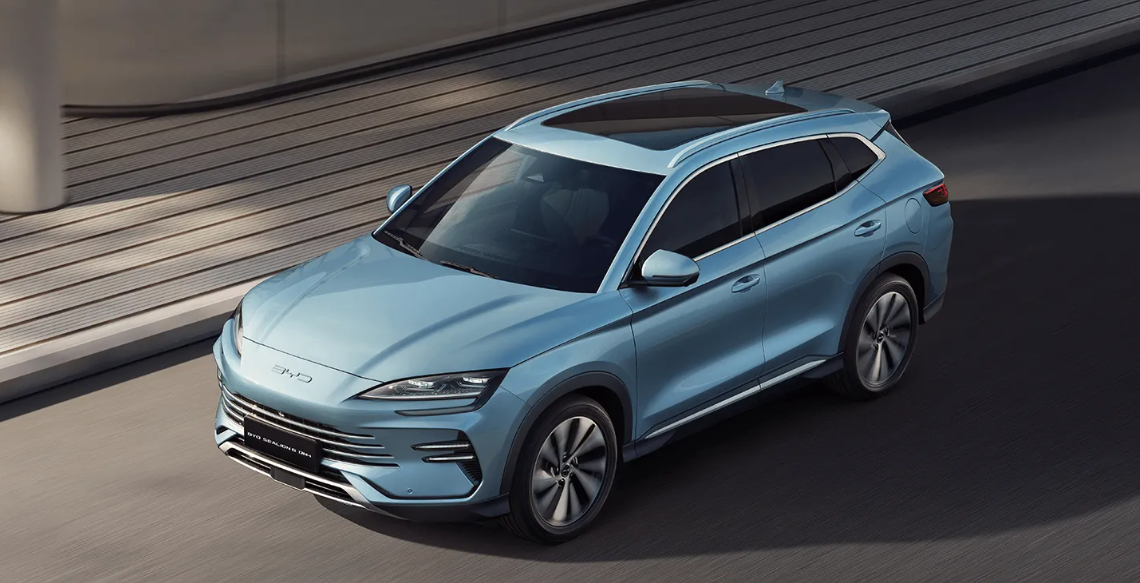
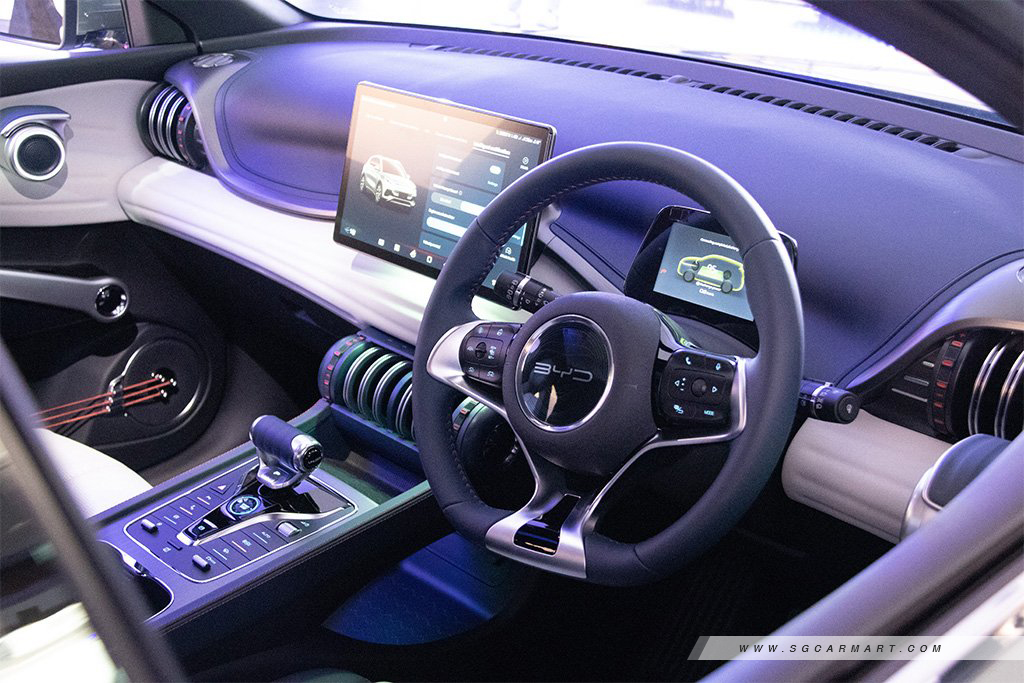
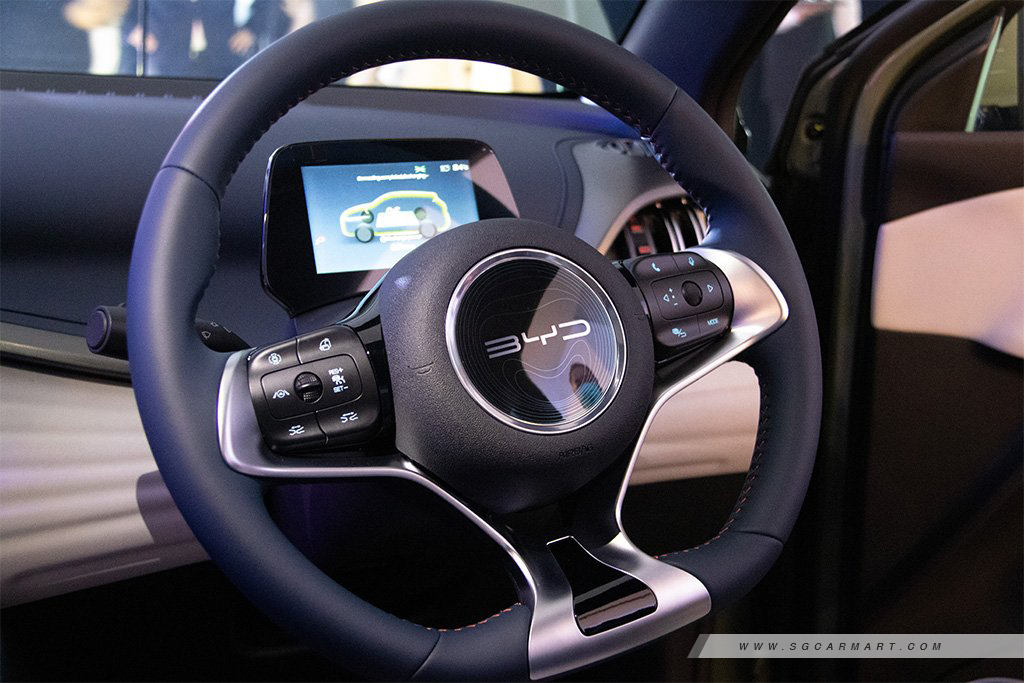
BYD's first hybrid model arriving on the shores of Singapore in 2025 is the re-badge Song Plus DM-i from mainland China. This PHEV compact crossover went on sale in the Chinese market in March 2021 and the the Song Plus is the best-selling BYD SUV in China. Global cumulative production of the model (excluding the ICE-powered variant) surpassed 1 million units by July 2024. The Song Plus was facelifted and an update was launched in June 2023 for the Chinese market, which includes the BEV and PHEV versions. Singapore just gets the PHEV version from mid-2023, so it's looking a bit outdated - particularly the interior. The 2023 Sealion 6 DM-i features a restyled front end and rear end design with headlamp units similar to the BYD Seal and Sealion 7. BYD also replaced the Song (宋) emblem with the standard BYD logo, aligning it with the vehicles from the Ocean series. The Sealion 6 DM-i's high voltage battery pack is sized at 18.3kWhr and supplied by BYD themselves via it's Blade battery format. When driving in pure EV mode, it can do about 80kms (WLTP) when the high voltage battery's State of Charge (SoC) is at 100% and down to 25%, before the petrol engine kicks in to re-charge the high voltage battery. The hybrid system provides four major control modes (EV, HEV series, HEV parallel, and engine direct drive). The Sealion 6 DM-i PHEV, features a 1.5L, 4-cylinder petrol engine producing 72 kW of power and 122Nm of torque. It's mated to an electric motor that produces 145 kW power and 300Nm of torque. The combined maximum power is 217kW, driving the front wheels. That's good enough to do the century sprint in 8.5 seconds. Unfortunately it also means the Sealion 6 DM-i goes into the expensive Cat B territory for CoE. With a 60L fuel tank, BYD's claimed range is around 1,100 kms. No more excuse on range anxiety for the durian run to Genting Highlands or fighting over a plug locally when the high voltage battery pack reaches a low value. Probably the best part for the petrol heads is avoiding the $700 annual sur-charge levied on the road tax as it burning dead dino juice. Fuel efficiency works out to be 5.45L per 100kms - assuming the high voltage battery is 100% and fuel tank is full. The numbers are okay for a hybrid, but not that great either due to the dead weight being carried around. Best to operate in EV mode as much as possible and top up charge the high voltage battery pack to minimize fuel use. Some selected specs of the Sealion 6 DM-i. Length: 4,775mm Width: 1,890mm Height: 1,670mm Wheelbase: 2,765mm Minimum turning radius: 5.5m Rear trunk capacity: 574L (expands to 1,700L with the rear seats folded down) Unladen kerb weight: 1,940kg Gross weight: 2,350kg Maximum carrying capacity: 410kg (seems a bit low) Battery capacity and type: 18.3kWhr (LFP BYD's proprietary Blade battery) Pure electric range: 80kms (WLTP from 100% down to 25%) AC charging capacity: 7kW (Type 2) will take around 8 hours to fully charge DC charging capacity: 18kW (CCS 2) will take 1.3 hours to fully charge VES band: A2 Electric drive train efficiency: 18.8 kWhr per 100km (not that great either) Electric motor: 145kW @ 300Nm of torque Petrol engine size: 1,498 cc Petrol engine power output: 72kW (98hp) @ 122Nm of torque Combined maximum power: 162.63kW (218hp) @ 300Nm of torque Fuel tank capacity: 60L Petrol drive train efficiency: 0.9L per 100km (claimed but not realistic) and more likely 5.45L per 100km assuming high voltage battery is 100% charged and fuel tank is full. Range (electric + petrol): 1,100km (claimed) in reality it'll be lower than this due to the dead weight of the vehicle - almost two tons! Top speed: 170 km/hr. In 2023, BYD unveiled the BYD Seal U, the export version of the Song Plus to the world. It debuted in Europe in September 2023 as part of the Seal family. In May 2024, the vehicle was introduced in Australia and other markets as the BYD Sealion 6. Singaporeans are late to the party only got Sealion 6 in July 2025 - almost two years late. Will see how sales go here as it competes in the increasingly crowded hybrid/PHEV market. Competitors to the Sealion 6 DM-i are: (1) Chery Jaecoo J7 PHEV; (2) Toyota Harrier hybrid; (3) Nissan X-Trail ePower; (4) Kia Sorento hybrid; (5) Hyundai Santa Fe hybrid; and (6) Mazda CX-60 PHEV. There are some conti PHEVs from the likes of Mecedes, BMW, Volvo, etc. but the conti price and maintenance are factors to take into consideration. Will do a follow up post on the interior of the Sealion 6 DM-i.


-
BYD Seal 6 EV is launching soon in Singapore https://byd.1826.sg/byd-seal-6-ev

-
BYD Sealion 7 is coming to Singapore in January 2025. Now can preview and test drive already. Heard the pricing is below $200K

-
The international version of BYD's Denza Z9GT (2026 model) has made it's debut over in across seven European countries, including France, Germany Italy, and Spain. It's an uber luxury vehicle as well as the flagship in the Denza brand. So it wont be cheap as the starting price is from 115k euros! The luxury wagon will be available in both plug-in hybrid (PHEV) and fully electric (BEV) variants. Design by ex-Alfa Romeo, ex-Audi and ex-Lamborghini design chief Wolfgang Eggar, it's a beautiful looking ride. A new green exterior color marks the 2026 model. The 2026 Z9GT is going international, so it'll be available in both Left Hand Drive (LHD) as well as Right Had Drive (RHD) markets. Already confirmed to come to this part of the world with Oz getting their units in Q3 2026 according to The Driven article here: https://thedriven.io/2026/04/09/byds-denza-z9gt-confirmed-for-australia-with-5-minute-flash-charging-tech/ The shooting brake style of the Z9GT comes in three variants. The PHEV variant (currently only available in mainland China) features a 152kW turbocharged 2.0L four-pot petrol engine. This petrol engine is combined with a 200kW electric motor up front, plus dual 220kW electric motors at the rear for a total system output of 640kW. The Z9GT uses the latest DM-i 5.0 hybrid system. The revised battery pack is the new Blade 2.0 version at 63.8kWhr capacity (+31.3kWhr more than the older 2024 model), thereby boosting its CLTC electric range from 201km to 400km or about 320km in WLTP figure (+155km more electric range than the older 2024 model). Total driving range is 1,301 km in CLTC test cycle or about 1,050km in WLTP. PHEV's top speed is 230 km/hr. The older model has a listed fuel consumption under battery-depleted conditions of 6.3L per 100 kilometers. Will post an update once the new fuel efficiency number is known for the 2026 model. Dimensions of the Z9GT is as follows. Length: 5,195mm Width: 1,990mm Height: 1,490mm Wheelbase: 3,125mm The second variant is a rear-wheel drive BEV with 370kW of power. Battery pack capacity with the new Blade Battery 2.0 has been increased to 122.496kWh (+22.396kWhr more than the older 2024 model) - giving a range of 1036km based on the lenient CLTC testing cycle, most likely around 840km under WLTP (an amazing +370km more than older 2024). That's more than sufficient range for the durian run from Singapore to Genting.😃 The top end variant is the BEV tri-motor All Wheel Drive (AWD) setup. The front motor produce 230 kW (same as the older version) and 430 Nm of torque. However, the rear motors have been upgraded to produce 310 kW and 400 Nm for each unit, resulting in a total system output of 850 kW (+140kW more) and 1,210 Nm (+100 Nm higher than the older version). Claimed century sprint in blistering 2.7 seconds with a top speed of an insane 269 km/h! A smaller 102.33 kWhr Blade 2.0 battery pack is available in China for the shorter range version of 820km CLTC (about 670km WLTP). BYD plans to build 6,000 overseas flash charging stations globally by the end of 2026, with 3,000 of them located in Europe. There are plans to install flash charging stations in Oz, so it's a just a matter of time before they arrive on the shores of Singapore and Malaysia. Speaking of Malaysia, the 2026 Z9GT will arrive over the causeway in 2026 according to this article here: https://paultan.org/2026/03/04/denza-z9-gt-coming-soon-to-malaysia-5-18m-long-shooting-brake-flagship-confirmed-1h-2026-launch/. So most likely Sime Darby will be making it also available to some deep pocketed Singaporeans around the same time. Will do follow up posts on interior and feature set of the 2026 Denza Z9GT.


-
Facelift Atto 3 to be launched in China https://www.lowyat.net/2025/369185/byd-atto-3-facelift-major-updates-china/ 308hp. Cat A nerf again? Good for our Malaysian neighbours I guess. Cheap power for them.
-
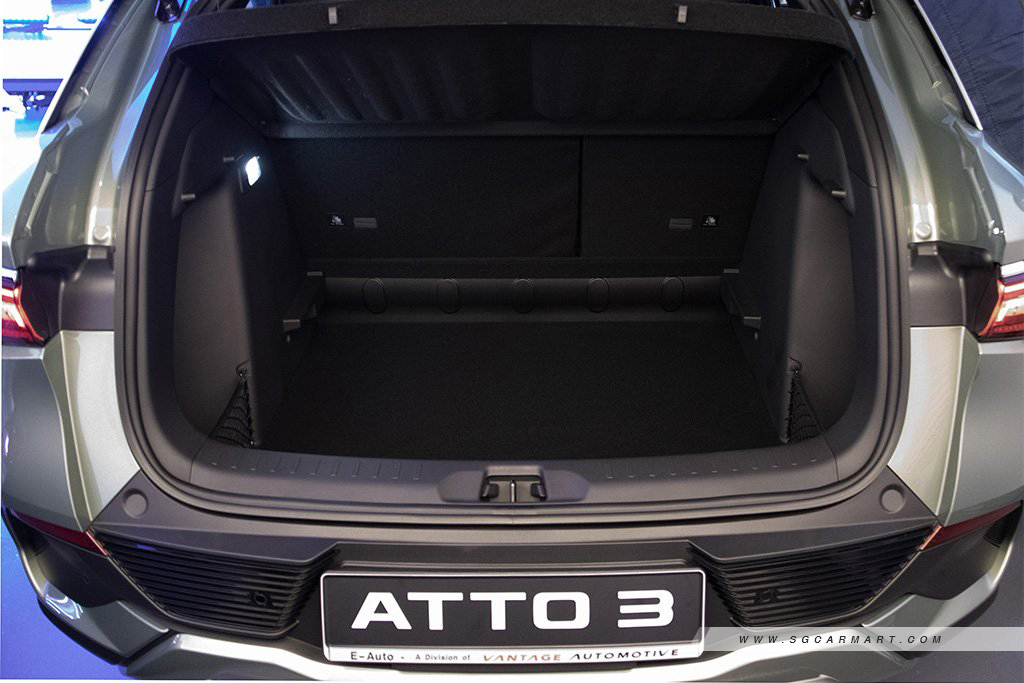
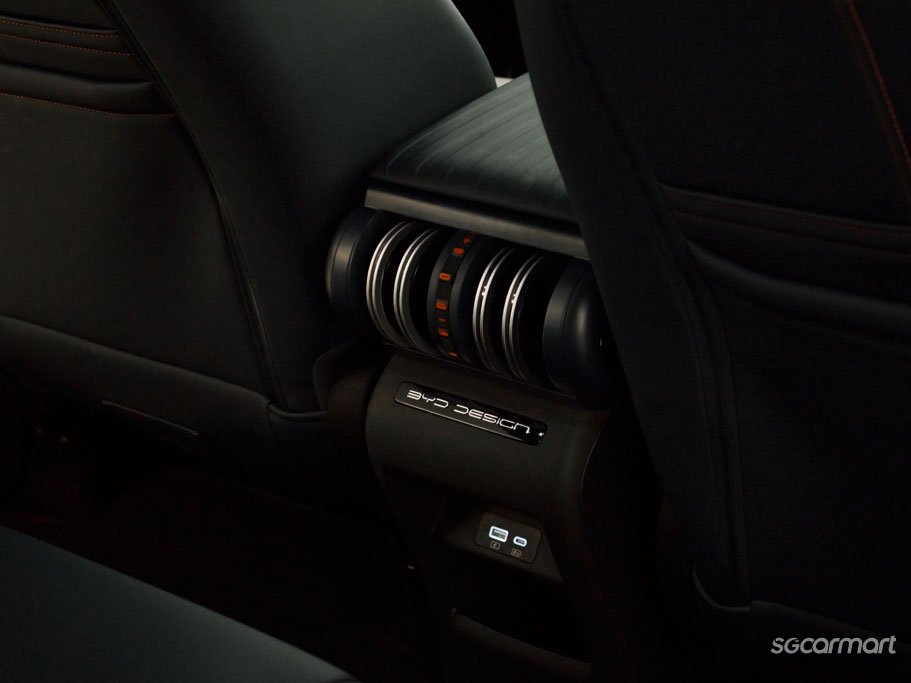
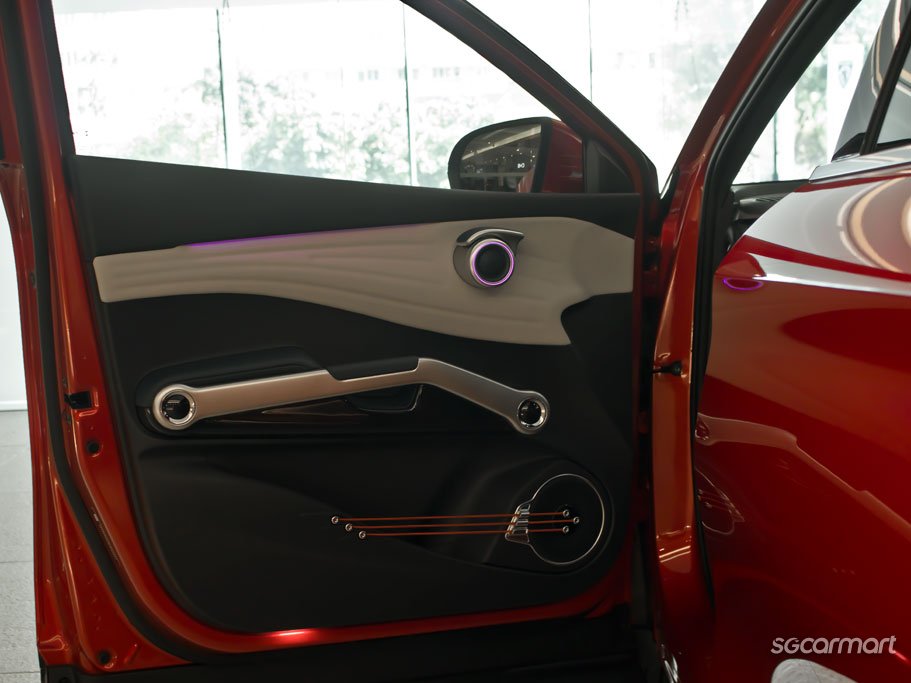
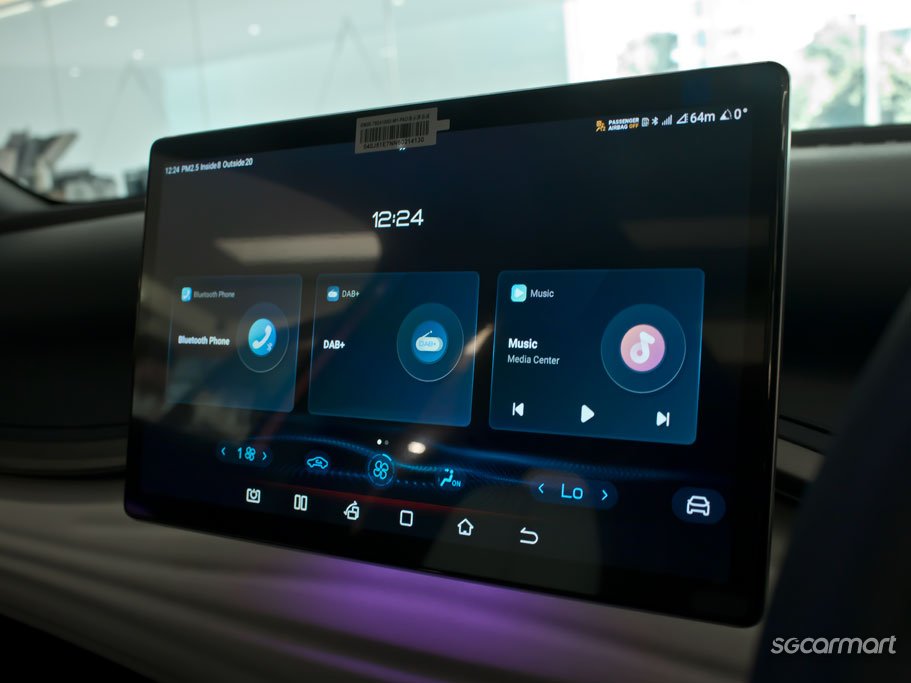
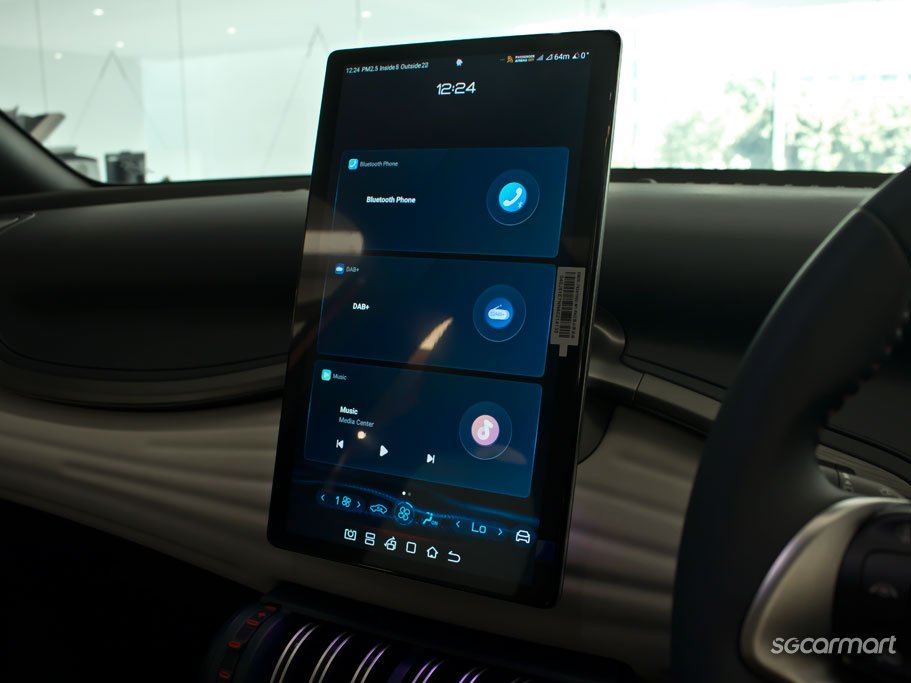
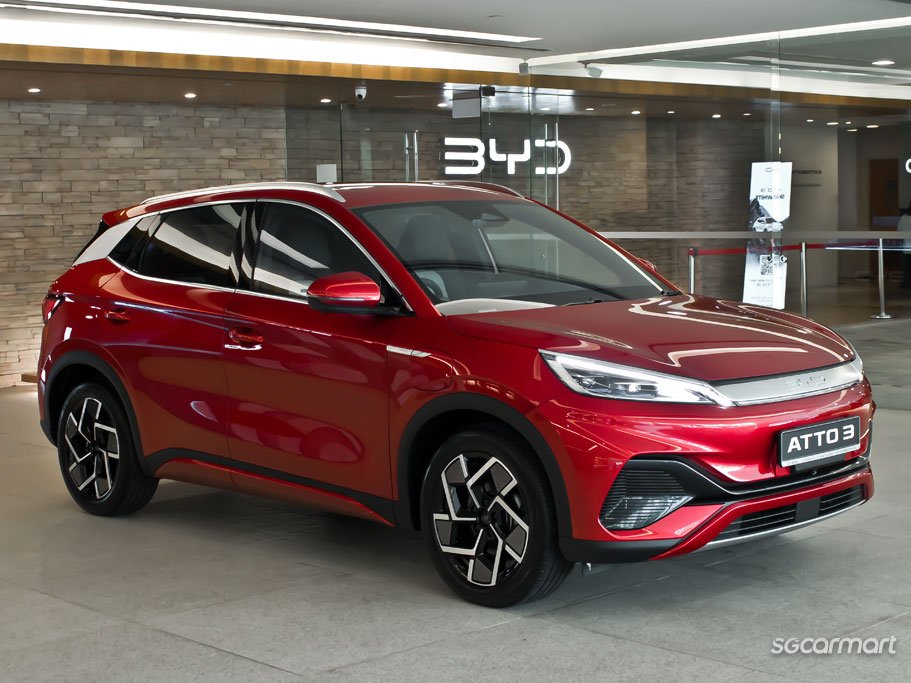
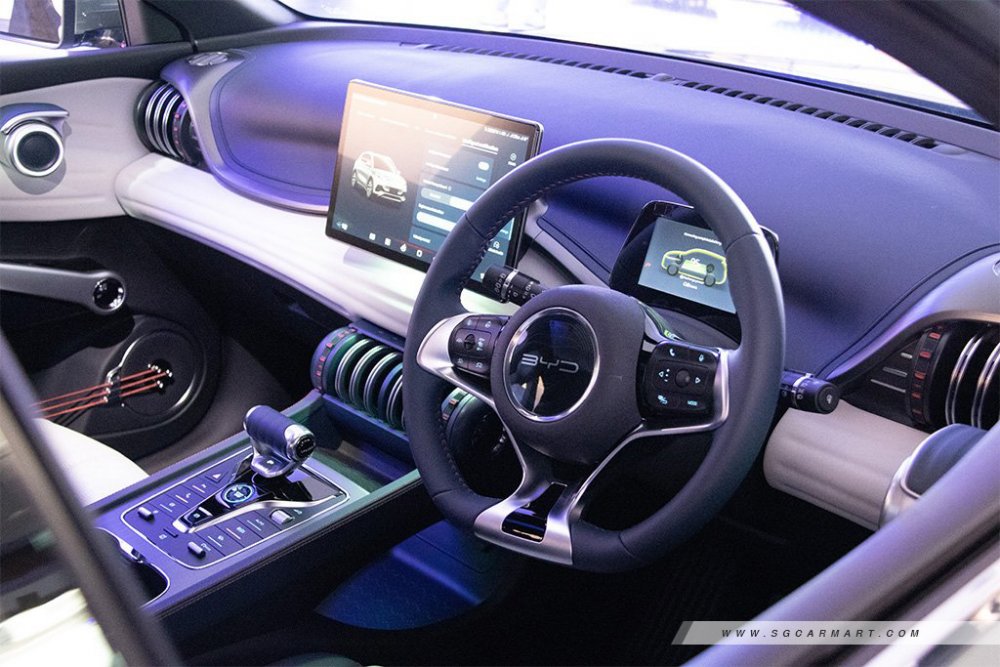
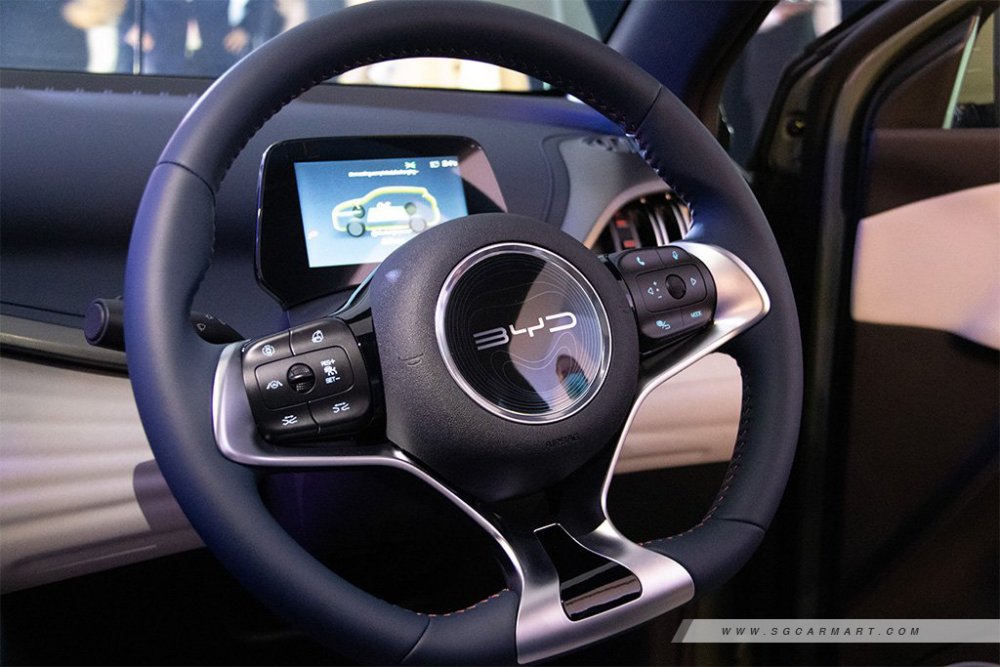
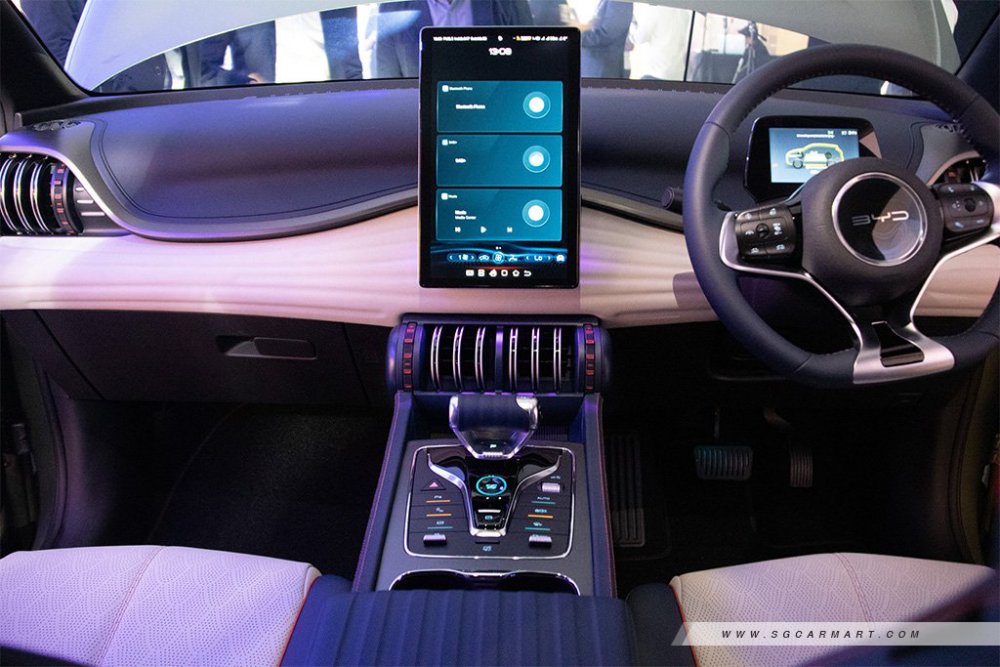
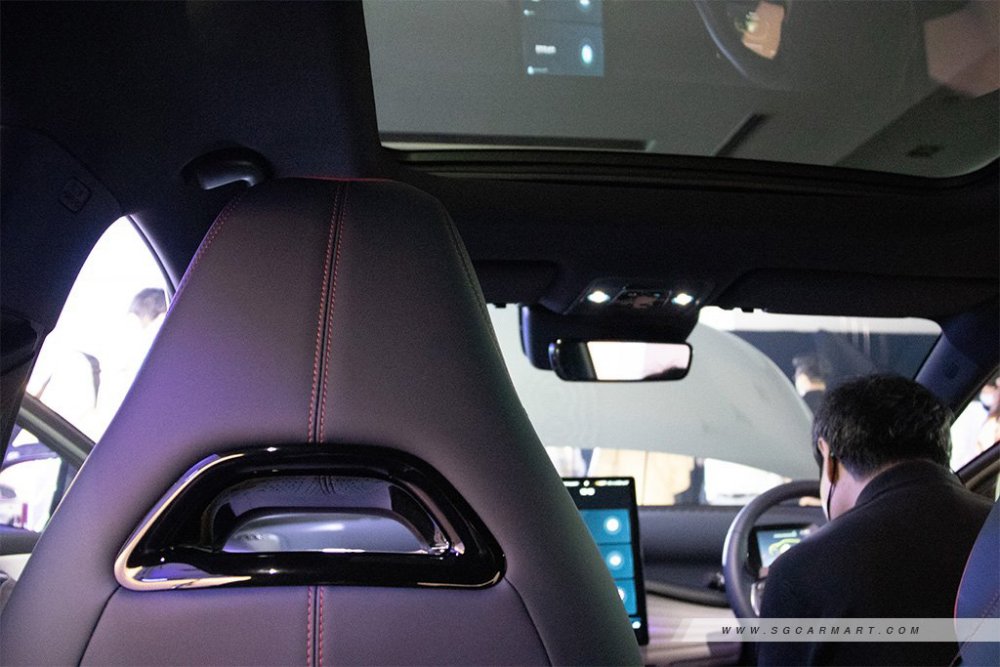
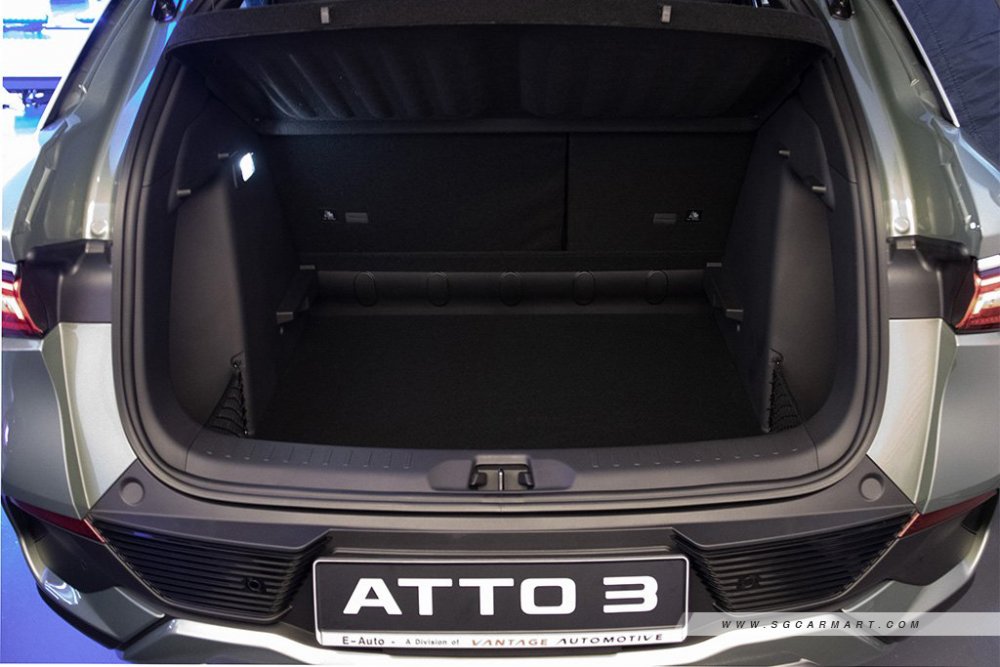
 Officially unveiled at the Vantage Automotive Centre, the Atto 3 debuts as BYD's first-ever contender in the local compact crossover segment. Coincidentally, the SUV also marks the third passenger-car model by the Chinese maker here, following in the footsteps of the best-selling e6 and van-turned-MPV M3e. A single permanent magnet synchronous motor, paired to a 60.5 kWh Blade Battery, helps to produce 201bhp (150kW) and 310Nm of torque - apparently good for a 7.3 second century sprint. With the Blade Battery, the crossover's NEDC-rated range also clocks in at an impressive figure of 480km. Thanks to its battery architecture, DC fast charging via CCS at up to 80kW is offered on the Atto 3, bringing the battery from 20% to 80% state-of-charge within 42 minutes. AC charging at up to 6.6kW, on the other hand, will see a full recharge done in 9.5 hours. Worth noting is that the Atto 3 falls under the A1 band of the VES, allowing it to qualify for the highest ARF rebate of $25,000. The Atto 3 comes with a refreshing dual-tone interior, mixing blue and beige upholstery (in our eyes at least - the combination is called "Eclipse Blue + Hazy Grey" by BYD) with red-stitching on the seats. Shaped contours across the dash, guzheng-inspired strings along the door bins, and disc-like aircon vents all continue to distinguish the cabin of the crossover. While the driver gets a fully digital five-inch display behind the multi-function steering wheel, taking centerstage is the 12.8-inch Intelligent Rotating Infotainment Display, which can be oriented in either 'portrait' or 'landscape' mode. Another high-tech feature the car offers is the ability to be unlocked and locked via an NFC Keycard. Strangely, it appears that Apple CarPlay and Android Auto will only be available in Q4, although Bluetooth Phone Connectivity does come as standard. A BYD OS App will also debut somewhere down the line. The marque's name is spelt out boldly in capital letters too on the car's electrically-operated tailgate, which opens up to 440 litres of boot space (this can be expanded to 1,340 litres with 60:40 folding seats). Five different colours are available for potential owners of the Atto 3, including Surf Blue and Parkour Red. Test drives for the BYD Atto 3 are now being offered and the car open for booking. Local authorised dealer E-Auto has also announced that the car will launch with a special price of $178,888 (the number is supposed to be auspicious), inclusive of COE. Feature Highlights Wireless Apple CarPlay and Wireless Android Auto Wireless Smartphone Charging Inbuilt Navigation Electric Tailgate Sunroof Driver and Passenger Electric Seats 12.8" Intelligent Rotating Touchscreen 360° View Camera Adaptive Cruise Control Lane Keep Assist Lane Departure Warning Blind Spot Monitor Rear Cross Traffic Alert Front and Rear Pre-collision Warning Had the opportunity to visit Vantage before the Atto 3's official launch and I must say I left the showroom impressed with the direction BYD is going with its electric vehicles. Granted, the interior styling might be a bit tacky for some, but it is mighty packed with features. Full specs and features here.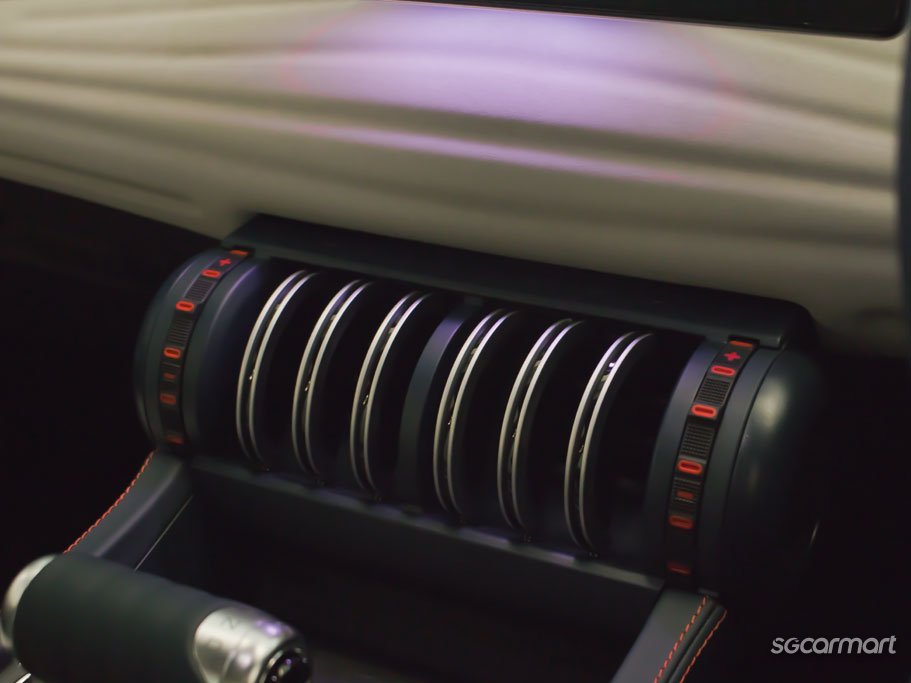

- 337 replies
-
- 13
-

-
- byd atto 3
- byd
- (and 4 more)
-
Saw this clip showing a BYD having problems to climb a steep slope. What's the cause? Worn tyres failed to gain enough traction ?
-
The current BYD Atto 3 (Yuan Plus in China) is getting long in the tooth. First introduced on the shores of Singapore back in July 2022, despite an upgrade to the 2nd generation EVO model in China (February 2026) which Singapore wont be getting - it's starting to look a bit stale. Sales numbers for the Yuan Plus tell the story in China in the chart below up to Q1 2026. So BYD has decided to make a dramatic change to the Yuan Plus to help turn things around - at least in its mainland market. The new Yuan Plus made its debut at the Beijing Auto Show in May 2026 and sales of the 3rd generation Yuan Plus (Atto 5) will start on 21 May 2026 in China. See pictures below. The 3rd generation Yuan Plus is a bigger ride and grown in all directions. Dimensions are - Length: 4,665mm (+210mm longer than the current Atto 3); Width: 1,895mm (+50mm wider than the current Atto 3); Height: 1,675mm (+55mm taller than the current Atto 3); Wheelbase: 2,770mm (+50mm longer than the current Atto 3). Retains the same Dynasty design language. The front fascia features a silver grille panel flanked by slim, blackened headlights. The front bumper incorporates vertically-arranged ventilation openings on both sides, complemented by a trapezoidal cooling grille in the center. Door handles are now semi-recessed and most likely the mechanical type that make it compliant to new door handle safety requirement specified in GB48001-2026, which comes into affect on 1-Jan-2027. The new Atto 5 will be offered in two wheel options: 18" or 19". Top speed is listed at 190km/hr in China's regulatory filing. The 3rd generation Yuan Plus (Atto 5) is mid-sized SUV with a curb weight of 1,690 kg and a gross vehicle weight of 2,115 kg, according to the regulatory filing. Surprisingly it's lighter than smaller Atto 3 by -60kg! Drivetrain efficiency is claimed to be 11.8kWhr to 12.1 kWhr per 100 km, however this is based on the more lenient CLTC testing cycle. WLTP numbers are expected to be worse at around 14.4kWhr to 14.8kWhr per 100km. This is much better than the 1st generation Yuan Plsu (Atto 3) which is smaller ride and less efficient at 16kWhr per 100km. Apart from being a bigger vehicle, the big difference is in the driving and dynamics of the 3rd generation Yuan Plus (Atto 5), it's now Rear Wheel Drive (RWD)! Compared to the 1st generation Yuan Plus (Atto 3) which is Front Wheel Drive (FWD), the 3rd generation Yuan Plus (Atto 5) will be a driver's type of vehicle. The Atto 5 comes with a front trunk!👍 Capacity is around 101L. The Atto 5 is based on BYD’s latest e-Platform developments and integrates the company’s newer electronic architecture. At the rear, the Atto 5 features a two-segment high-level brake light and rear window wiper. The taillights are integrated into a through-type decorative panel, creating a streamlined lighting effect. The rear bumper adopts a concave license plate frame layout, adding depth to the overall design. Mainland China based models will have Advanced Driving Assistance System (ADAS) which BYD refers to as DiPilot 300 paired with BYD’s in-house computing platform. These are expected to include sensor-based highway assistance and automated parking functions, depending on trim level. Higher variants will have an option of a LiDAR-based advanced driver assistance features. Export units unfortunately wont be getting LiDAR and automated highway driving. Hopefully the automated parking and high-speed tire blowout stability control system should be carried through as a safety feature. Moving the Atto 5 will be either a 200kW or 240kW motor mounted on the rear axle. Torques figure are not known yet. The motor is listed in the regulatory filing and carries the model code TZ200XSBR. It's produced by Zhengzhou BYD Auto. Supplying power to the motor is the 2nd generation Blade 2.0 battery from BYD on a 800V architecture. The vehicle uses a lithium iron phosphate (LFP) battery supplied by BYD’s FinDreams battery division, with cells produced by Wenzhou FinDreams Battery and pack assembly carried out by Changsha FinDreams Battery. The battery capacity is either 57.5kWhr or 68.5kWhr. The 2nd generation Blade 2.0 batteries has obtained 3rd party certification with the stringent no fire, no smoke GB38031-2025 battery standard. CLTC and WLTP estimated ranges for the two battery options are: 57.5kWhr battery option range: 540km (CLTC) or about 440km (WLTP); and 68.5kWhr battery option range: 630km (CLTC) or about 515km (WLTP). With Blade 2.0 battery in place, the 3rd generation Yuan Plus (Atto 5) can do ultra fast DC charge that will have the ride ready to go in five minutes - from 10% to 80%. Or almost full in nine minutes (10% to 97%). It would require the right charger to do this, but essentially makes the Atto 5 future proof when it comes to DC fast charging. This will be the first international B&B ride that will be made available to have this amazing technology. New Zealand is slated as the first country to get the Atto 5 early 2027 according to Electrive article here: https://www.electrive.com/2026/05/13/byd-plans-to-launch-new-yuan-plus-overseas-as-atto-5/ with Australia soon after. With Right Hand Drive (RHD) versions being made available, it's just a matter of time before the Atto 5 arrives on the shores of Singapore - question is when? Atto 5 competitors will be Geely’s Galaxy EX5 / Proton eMas5, MG S5, Deepal S05, Volkswagen ID4, Skoda Enyaq, Toyoya BZ4X / Subaru Solterra XT and GAC Aion V/i60.


-
We have a few BYD dealers here in Singapore, and all their operational models seem to differ. It’s surprisingly hard to find individual reviews for each one, so I thought starting this thread might help new buyers decide who to approach before signing — and hopefully avoid any regrets later. BYD Dealers: Sime Motors BYD Harmony Auto BYD by 1826 BYD by JC BYD by Motoreast If you’ve dealt with any of them, please share your experience — from test drives and price transparency to after-sales support and delivery time. Let’s keep this thread informative for anyone planning to buy a BYD EV in Singapore.
-
Hi guys! 👋 Sgcarmart will be hosting our first-ever electrified car showcase, Beyond Motion, at Suntec Convention Centre (Halls 403-404), from 9am to 9pm on 21-22 March 2026 (Saturday & Sunday). This one's going to be a little different from our usual roadshows! We're putting a bigger focus on education, conversations, and the future of mobility, not just the cars. On Day 1 (Saturday), there will be a keynote session and panel discussion featuring industry leaders and experts from LTA, DBS, SP Mobility, Huawei and more. Whether you're planning to switch to an EV, still sitting on the fence or have burning questions about long-term sustainability, battery disposal, charging infrastructure, or ownership costs, this is your chance to get answers straight from the experts. If you can't make it, feel free to drop your questions in this thread and we'll try to raise them during the panel session. You can also check out the topics that will be covered via the event link here. Of course, what's a car showcase without the cars? 😆 We'll have eight participating brands showcasing their latest electric and hybrid cars: BYD, Denza, Dong Feng, GAC Motor, Jaecoo, Omoda, Proton and Toyota. If you're already in the market looking for an EV or hybrid, this is a great chance to check out your options in one place and keep an eye out for event-exclusive deals and promotions while you're at it. There'll also be kids' activities to keep the little ones entertained while you explore the showcase. And for the longtime Sgcarmart or Mycarforum users and members, we haven't forgotten you! There'll be sure-win prizes and Sgcarmart collectibles just for joining us at the event. More details coming soon as we get closer to the date! 📆Save the date and register for free! (Registration is required for access to the hall.) Hope to see you guys there! 🚗⚡

(1).jpg.794b81e6447a1ec14dd0e4fce15e60d5.jpg)
- 18 replies
-
- 1
-
-
- sgcarmart
- mycarforum
- (and 11 more)
-
Came across this. Interesting. Neber heard of many of these brands esp Yang Wang which is supposedly under luxury.

-
The BYD SEALION 6 is the carmaker's spanking new SUV. Here's what you need to know about it. Following the increasing popular BYD SEALION 7 that was launched at the Singapore Motor Show early this year, the leading carmaker in Singapore just pulled the covers off yet another new five-seater SUV. Dubbed the BYD SEALION 6, the SUV goes up against the likes of the Jaecoo J7 as well as the Toyota Harrier. Here are six things you should know about the SEALION 6. The BYD SEALION 6 DM-i comes with a 1.5-litre engine underneath its bonnet, together with an 18.3kWh battery and an electric motor 1. It's a plug-in hybrid (PHEV) Yup, you read that right. The BYD SEALION 6 is a PHEV that sees a combination of a 1.5-litre engine, an 18.3kWh battery and an electric motor underneath the sheet metal. Together, they send a total combined output of 215bhp and 300Nm of torque to the front wheels. As a result, the car goes from nought to 100km/h in 8.5 seconds. But because of the way the car drives, with the power and torque delivered smoothly and quietly, and the engine acting more like a power generator, it feels faster in real-world driving. Despite constantly driving up and down slopes in Genting, I never had to charge the car once 2. Over a 1,200km of driving range Speaking of real-world driving, the SEALION 6 is capable of over a 1,200km of driving range, which should come as no surprise as having an impressive driving range is one of the benefits of a PHEV. But where the new BYD stands out is its ability to recharge the battery pack easily and efficiently. During my time with the car in Malaysia, the car's battery pack easily recuperated when driven lightly, and efficiently so when the car was gliding down roads. On one occasion, I managed to recuperate as much as 9% over a span of just 10 minutes of driving. Over the course of four days in Malaysia, or 17 hours on the road, I never once recharged the car's battery pack. The BYD SEALION 6 DM-i provides the best of both worlds - petrol and electricity 3. Range anxiety? It's a thing of a past... With a range like that, there is no more cause for range anxiety. Sure, the truth is that we managed some 762km over four days of seriously hard driving - up and down the steep slopes to Genting, with a boot space that's filled to the brim with our luggage and bags - until there was a need to refuel, but the battery still had 30% of juice and the tank had slightly over nine litres of fuel left. We wanted to push the car to its limits, but due to time constraints, we had to refuel before heading to our next stop. In reality, I doubt anyone who's interested in the BYD SEALION 6 will push the car so hard because there's a good chance buyers of this car will not be particular about its handling and dynamism. Instead, its ability to ferry occupants in comfort is what matters. For that, the SEALION 6 will not fail. The new BYD SUV is comfortable enough to constantly put a smile on your face when you're behind the wheel 4. It's not sporty. It's comfy, as it should be During my time with BYD's new plug-in hybrid, there was never a time when external noises intruded the cabin, thanks to the acoustic front glass. More relevantly as a family SUV, commonly found pot holes and broken tarmac on Malaysia roads never once sent a hint of vibration to the cabin. It's also precisely why it's so comfortable that makes the SEALION 6 more of a comfortable cruiser than an brutal bruiser. It may neither shatter speed records nor will it corner with aplomb like a low-slung sports car, but it'll definitely haul your loved ones around in comfort and safety. And there's just no putting a price tag for that. Need electricity to power your coffee machine on the go? No problem, the SEALION 6 got you covered 5. Comfort and convenience with V2L V2L, or Vehicle-to-Load, is a feature in some EVs that allows the vehicle's battery to power external devices and appliances. You can think of the EV as portable power bank. Enabled by an adapter that plugs into the car's charging port, or in some cases, an internal power outlet, and you're ready to have a nice outing with the family. In my case, we had durians and coffee with the BYD SEALION 6, which goes to show the V2L feature isn't just specific to EVs but to PHEVs as well. Need to power up that portable stove to cook for the kids during your picnic? Well, the new BYD will have you covered. 6. There will only be one variant in Singapore for now Unlike the different models in BYD's lineup, there will only be one variant of the BYD SEALION 6 DM-i in Singapore for now. Of course, depending on how well the car sells, BYD is ever ready to bring in different variants, if necessary. It wouldn't be such a bad thing, really, to have only one variant in Singapore, because we can imagine this to be the variant that hits the sweetest spot. Sufficient power that doesn't compromise on its fuel consumption, it’s lighter than an all-wheel driven dual-motor variant and it's fully specced with all the niceties that are often seen only in more premium models. So... what's not to like?
-

How Much Range Does an Electric Car Lose Each Year?
kobayashiGT replied to kobayashiGT's topic in Electric Cars
Source: https://www.axios.com/2025/03/17/byd-charging-tesla?lctg=202885 China continues to raise the bar on electric vehicles, with BYD unveiling a new EV platform that can be recharged about as fast as it takes refuel a gasoline car. Why it matters: Making EV charging as painless as visiting a gas station is one less hurdle for consumers, and could help spur widespread EV adoption. It's also a further sign of the growing dominance of BYD, which sells both electric vehicles and hybrids, while onetime EV leader Tesla's fortunes wane, both in China and the rest of the world. Driving the news: BYD's new battery and charging system can provide nearly 300 miles of driving range in 5 minutes, chairman and founder Wang Chuanfu said Monday, Bloomberg reported. The 1,000-Volt Super e-Platform will underpin BYD's next-generation vehicles, starting with the Han L sedan and Tang L SUV. BYD also said it would build more than 4,000 ultra-fast chargers across China to match the new EV platform. Between the lines: The charging breakthrough, while promising, is light on specifics. It's not clear what type of battery chemistry is used to achieve such results. Also unknown is the battery size, or maximum sustained power levels during charging. The big picture: What is clear, however, is that Chinese manufacturers are outpacing the U.S. and European Union on EV charging technology. "Tesla has definitely moved from leader to laggard in EV battery and charging technology at this point." said Matt Teske, founder and CEO of Chargeway, a startup aiming to simplify EV charging. Tesla's latest "V4" Superchargers offer 325kW power — a step in the right direction, Teske said — but Tesla vehicles need 800V battery tech in order to take full advantage of those faster chargers. Currently, Tesla's vehicles have a 400V system, which limits how fast they can accept electrons, no matter how fast the charging equipment. Competitors including Hyundai, Kia and Porsche have more advanced 800V systems, the fastest-available before BYD's 1,000V breakthrough. The bottom line: Convenient, fast EV charging requires higher-voltage battery technology mated with chargers capable of sustained power delivery at maximum speeds. Not even China has cracked that problem yet, but BYD is getting closer. -
 https://asia.nikkei.com/Business/Automobiles/China-s-BYD-starts-EV-sales-in-Japan-as-it-chases-Tesla?utm_campaign=GL_asia_daily&utm_medium=email&utm_source=NA_newsletter&utm_content=article_link&del_type=1&pub_date=20230131190000&seq_num=9&si=44594 China's BYD starts EV sales in Japan as it chases Tesla Elon Musk's company has global lead but affordable option has entered the race BYD, which has made a big name for itself in China, intends to catch up with Tesla in global electric vehicle sales. (Source photos courtesy of BYD and Getty Images) SAYUMI TAKE, Nikkei staff writerJanuary 31, 2023 18:15 JST YOKOHAMA, Japan -- Chinese automaker BYD began selling electric vehicles in Japan on Tuesday as it pursues its global ambitions to overtake more established nameplates. BYD's debut in the world's fourth largest auto market comes with it having secured its place as China's top EV seller and nipping at the heels of American EV giant Tesla in global EV sales. BYD also sells electric vehicles in Australia and Thailand, and has production plants in South America. "We're very excited to be bringing our cars to Japanese customers," said Atsuki Tofukuji, president of BYD Auto Japan, a marketing subsidiary. Tofukuji talked to reporters at BYD's first Japanese sales location, due to open on Thursday in Yokohama, the big port city south of Tokyo. While the Chinese automaker is gaining fame as an EV battery seller, its car sales remain largely dependent on domestic demand. This puts it considerably behind Elon Musk's top-running Tesla, which has penetrated many more global markets. BYD has been eager to close the gap and recently began exporting to India, home to a fledgling EV market, and to Thailand, where it plans its first ASEAN production hub. The Atto 3, which went on sale on Jan. 31 in Japan, has already attracted a "fair amount" of test-drive reservations from prospective buyers. (Photo by Sayumi Take) BYD is entering Japan with a key strength against Tesla, affordability, backed by its roots as a battery maker. The company's flagship Atto 3 midsize SUV, which today went on sale in Japan, goes for 4.4 million yen ($33,800), cheaper than Tesla and Nissan EVs. Government EV subsidies, if they continue, will lower the price. Deliveries are to begin around March. The Yokohama store is also "a good way to present new brands to Japanese customers" as they can actually familiarize themselves with EVs and consult professional dealers about purchases on the spot, Tofukuji said. It is the first of over 20 showrooms that BYD plans to establish across Japan this year. The company aspires to have over 100 dealerships in the country by the end of 2025. This contrasts with Tesla, which largely relies on internet sales. BYD's showroom in Yokohama only has the Atto 3 on display but later this year will exhibit two additional models. Visitors can also take the SUV out for test drives, and the store is already receiving a "fair amount" of reservations. Each BYD dealer in Japan will be equipped with 50-kilowatt quick chargers that can juice up the Atto 3 in about 60 minutes. Japan's EV market has been expanding, though notably slower than other countries. Domestic EV sales in 2022 came to about 59,000 units, a record and almost triple the previous year's total, according to industry groups. They accounted for 1.7% of Japan's passenger car market, surpassing 1% for the first time. But most of the growth is due to vehicles that fall into the kei car category. These microcars are considered to be easy to drive around crowded cities and require relatively low maintenance. And since they need little power, their makers have been able to more easily transition to electric drivetrains. The rest of the industry faces a relatively large obstacle: Many chargers in the country operate on such low power that it takes hours to sufficiently juice up a regular EV. BYD's strategy is to "introduce products that fit each country's charging environment," Tofukuji said, "unlike Tesla, which distributes chargers exclusive to its models." Despite Japan's slowly developing EV market, BYD faces a raft of competitors. Foreign luxury brands like Mercedes-Benz, Tesla and Audi are eager to take big shares of the young market. And although Japan's storied auto industry is filled with EV laggards, those dawdlers are moving to catch up. Toyota recently named a new president and CEO, tasking the relatively young executive with adapting to today's industry trends. "The Japanese EV market overall is getting bigger, and this is a good time to be entering [the competition]," Tofukuji said. "We hope to provide a rich EV life along with the development of Japan's EV environment."
 -
Source: https://www.hardwarezone.com.sg/tech-news-byd-tesla-seal-dynamic-100kw-model-3-rear-wheel-drive-110-singapore-price-specs Electric car makers BYD and Tesla have both launched more affordable models that qualify for the slightly less expensive Category A COE in the past couple of weeks. The newer of the two is the Seal Dynamic 100kW from BYD. As its name suggests, it has a power output of 100kW or 134hp. Performance suffers compared to the outgoing Dynamic model, but this new version will still get from 0-100km/h in 10 seconds. Crucially, it still has a 61.44kWh battery. The claimed range on the WLTP Combined cycle is 460km. Inside, the new Seal Dynamic 100kW loses none of the features that make the Seal such a tantalising option in its class. You have a large 15.6-inch infotainment system, ventilated seats, an expansive panoramic sunroof, and a comprehensive suite of safety features. From Tesla, we have the Rear-Wheel Drive 110 variant of the Model 3. The number “110” refers to its power output, 110kW or 148hp – the maximum permissible to qualify for a Category A COE. It may be the least powerful version of the Model 3, but it’ll still get from a standstill to 100km/h in a sprightly 8.6 seconds. The claimed WLTP range is 513km. The Rear-Wheel Drive 110 variant loses none of the features that make the Model 3 great, and that means it has a large 15.4-inch infotainment display, Tesla Arcade, Sentry Mode, and more. Having a car that qualifies for a Category A COE is an important strategy for carmakers here in Singapore. Although the prices of Category A COEs remain high, car buyers (particularly first-time buyers) will appreciate every little bit of savings that they can get. In the case of these two cars here, and based on current COE premiums, the savings (when compared to the Cat B model) can range anywhere from S$10,000 to as much as S$25,000. To learn more about these cars, be sure to check out our earlier review of the BYD Seal Performance and our test drive of the new updated Model 3. Availability and pricing The BYD Seal Dynamic 100kW and Tesla Model 3 Rear-Wheel Drive 110 are both available to order now. Prices of the BYD Seal Dynamic 100kW start at S$170,888, while prices of the Tesla Model 3 Rear-Wheel Drive 110 start at around S$189,000. Prices are correct at the time of publishing and are subject to change because of ever-changing COE premiums.
-
Did i mention that the day is near and that if the rest are not careful, PRC cars coming into PHEV from full EVs are going to hit them hard. Expect more China brands coming into this segment with longer and longer ranges. Now i am excited. https://carnewschina.com/2024/03/28/geely-and-byd-claim-2000-km-range-for-phev-systems/ https://carnewschina.com/2024/03/29/live-chery-challenge-2000-km-range-in-a-phev/
-
What makes something a flagship? Flagship products represent the very best of a brand. Whether it's cars, electronic products, even services, a 'flagship' is core to a brand experience, as well as to the brand's image. Besides just delivering all the tangible features and functionality offered by the brand, a flagship product is also a showcase of the intangible - about what a brand stands for, and what it aims to deliver to customers. DENZA, a BYD Premium Brand, has now been officially introduced in Singapore. We look at the various ways that the new DENZA D9, available in both all-wheel drive (AWD) and front-wheel drive (FWD) variants, pursues excellence to cement it as the true flagship of the brand. Executive Excellence As the brand flagship, the D9 certainly appeals to the executive. Comfort and luxury is key. Twin captain chairs in the second row deliver this in spades, offering ample adjustability including a zero gravity mode that allows you to lie almost complete flat - perfect for a quick power nap when commuting between meetings. In-cabin functionality, from adjusting the climate controls and toggling music to activating ventilation and massage functions, is all done using the touchscreen on the armrest. Memory seats also ensure that your ideal seating position is one touch away every time you enter the car. 50W charging pockets, neatly located at the side of each seat, also allow quick charging of mobile devices on the move. Of course, high-quality materials abound. With ample use of Nappa leather in the AWD model or premium leather in the FWD model, and lashings of wooden trim, the D9 cabin delivers an air of quality and luxury. And if working on the go is necessary, fold-out tray tables can serve as a work top. And, devices will remain juiced up on the go. Besides the 50W charging pad, each captain chair also has a USB-C port that can power a laptop. Family Excellence But beyond just going from meeting to meeting, the D9 is also socially adept - whether for family or friends. It starts with generous space, of course. Courtesy of the D9's upsized dimensions and 3,110mm wheelbase, aft of the captain chairs is a third row with space to comfortably fit three adults, with air-con vents all around to keep everyone on board cool. There are even two USB-C charging points available to third row passengers. Keeping passengers entertained is a premium 14-speaker Dynaudio sound system, through which a karaoke mic can be equipped - perfect for keeping kids (or friends) entertained. And when dry throats inevitably arise after a few rock ballads, an on-board fridge (big enough to hold 8 canned drinks) will be able to have thirst-quenching cold beverages at the ready! And even for longer journeys such as a road trip with the family, the D9 makes little compromise. Even with 7 people aboard, a very reasonable and usable 410 litres of luggage space is available. Tech Excellence When it comes to technology and functionality, the D9 boasts a full suite of capabilities. This electric flagship has a large 103kWh battery, which can deliver up to 520km (WLTP) of range on the FWD model, and 480km (WLTP) on the AWD model. The battery supports a maximum of 166kW DC charging, and the D9 also has V2L capability that allows for the powering of external devices when the need arises. The single motor on the FWD variant produces 230kW and 360Nm of torque, with 0-100km/h dispatched in 9.5 seconds. For even more electrifying performance, the AWD model packs 275kW and 470Nm of torque, and does the century sprint in 6.9 seconds. The D9 will also feature a full suite of Advanced Driver Assistance Systems (fully available in Q4 2024), which includes the likes of Adaptive Cruise Control, Automatic Emergency Braking System, and even Highway Assist with automative lane change. This is on top of a comprehensive suite of safety systems to keep all occupants safe and secure. Of course, the cabin also has a wealth of technology, as part of the DENZA Link Ultra-Intelligent Interactive Cockpit. On top of infotainment feature like audio connectivity and navigation, a voice interaction system also allows voice control of various car functions, including operating the sunroof and sunshade. Flagship Excellence All these qualities combine to deliver the flagship excellence that the DENZA D9 promises - available in Advance (FWD) as well as Grandeur (AWD) variants. While the Advance variant is thoroughly equipped, drivers looking for higher levels of equipment and luxury can choose the Grandeur model. Besides more performance, additional equipment include the likes of the DiSus-C intelligent damping suspension, premium suede ceiling, a head-up display, Driver Monitoring System, digital rear view mirror, among others. Whether you are a corporate executive looking to elevate your travels, or a family looking to uplift family experiences in the car, and perhaps even both, the DENZA D9 is a true flagship designed to over-deliver on comfort, technology and luxury to ensure excellence in every journey. The new DENZA D9 has officially been launched in Singapore. Singapore's DENZA showrooms are at Sime Darby Motors, 305 Alexandra Road, and Harmony Auto, 7 Ubi Close (coming soon in October). The DENZA downtown showcase at ION Orchard Level 1 Atrium by Harmony Auto is taking place from 10 to 19 October, 10:00am to 10:00pm. Attractive launch discounts and super-comfortable test drives are available at the two locations! - Desmond
-
The BYD eT3 compact van has had a large impact on how businesses do their logistics here. And it's now set to develop an even larger presence still. The BYD eT3 has been the best-selling electric van here in Singapore for the past four years despite facing significant challenges including the reduction of the CVES rebate, high commercial vehicle COE price premiums, and sustained competition from rival brands. To achieve such a feat, there must be more behind the eT3 than its clean drivetrain and compact dimensions. So, we decided to take one example out for an afternoon to find out why it has remained the favourite among logistics firms and tradesmen alike all these years, and even learnt about a few future developments that owners of the van can look forward to! Right-sized for businesses in Singapore Chief priority for any business owner shopping for a commercial vehicle is cargo-carrying ability, and those looking at the BYD eT3 certainly won't find it lacking. Despite measuring in at just 4,460mm long and 1,720mm wide, the BYD eT3 offers a generous 3,800 litres of cargo space. And these compact exterior dimensions also mean that it is ideally-sized for any business here in Singapore, allowing it to be comfortably driven within the tighter streets of our island's cultural districts, and to find parking space when loading/unloading cargo, even at the most challenging worksites. And there's one added benefit to those that opt to conduct their business with the BYD eT3. With the all-electric van coming in at 1,875mm tall, those who need to do deliveries to residential addresses will have no difficulty entering most multi-storey carparks! Loved by drivers and businesses alike But of course, it's not just the exterior dimensions that has won the eT3 its many fans. Those who spend long hours on the road are sure to be impressed with the BYD eT3's ergonomic cabin and generous legroom engineered for driver and passenger comfort, even after just one quick drive. Powered by a 134bhp electric motor that delivers a total of 180Nm of instantaneous torque, drivers of the BYD eT3 can look forward to an easier driving experience, even when faced with start-stop traffic. With its whisper-quiet electric drive, drivers also won't be as fatigued in this van compared to a diesel-powered one. This not only means safer journeys, but also a more alert driver - essential when there's also plenty of different invoices and receipts to handle and to ensure that the client doesn't end up with the wrong packages! You won't have to shy away from making deliveries across the island with the BYD eT3 either. You get BYD's blade battery in the eT3, with a total of 44.9kWh of capacity, which allows you to travel up to 280km with each charge. And with a peak charging speed of 50kW when at a direct current charger, no driver will have to wait long at a charging station to top up the eT3's battery. Those who will spend all day on the road will also be pleased to note that this blade battery comes with a Proprietary Battery Management System, which ensures that every charging session is done at safe temperatures and prevents dangerous battery swelling. Supported by a strong aftersales network But it's not just the strengths of the BYD eT3 that have ensured its popularity here. The van is also supported by a strong aftersales network that ensures that any business that relies on it will see minimum downtime. Servicing the BYD eT3 is ST Engineering Mobility Services, which operates a 6,500sqm workshop staffed with more than 40 technicians trained to service both electric and combustion-powered vehicles. Complete with a spray booth and its own mobile team, ST Engineering Mobility Services is a one-stop solution for any vehicle services a business may need, from regular maintenance to accident repairs and warranty claims. All this, of course, comes on top of the promotional servicing package offered with the eT3, as well as its battery warranty of eight years/500,000km - making it a truly dependable option for those that don't want interruptions in their business operations. And plenty more to come Interested in giving your business a little boost? There's no need to spend time second guessing just what sort of logistical support your business needs as ST Engineering Mobility Services will soon be opening a dedicated eT3 showroom. Those looking to start their own businesses can see just how they'd like the cabin of the van as their second office, while fleet purchasers can see more of the van's charging capabilities and cargo space for themselves, even before committing to any downpayment. And you'll soon be able to get your van with a host of advanced driver assisted systems as well, all to ensure that you and your drivers get another layer of protection when they're out on the road. Find out more about the BYD eT3 here, or contact ST Engineering Mobility Services at their sales hotline at 6660 3991 to set your business logistics on a cleaner and greener path!
-
RWD Hot hatch EV..... I am almost ready to accept the other issues of EV and open my cheque book... https://www.carscoops.com/2024/04/byd-ocean-m-hot-hatch-concept-previews-this-summers-corolla-sized-ev/


-
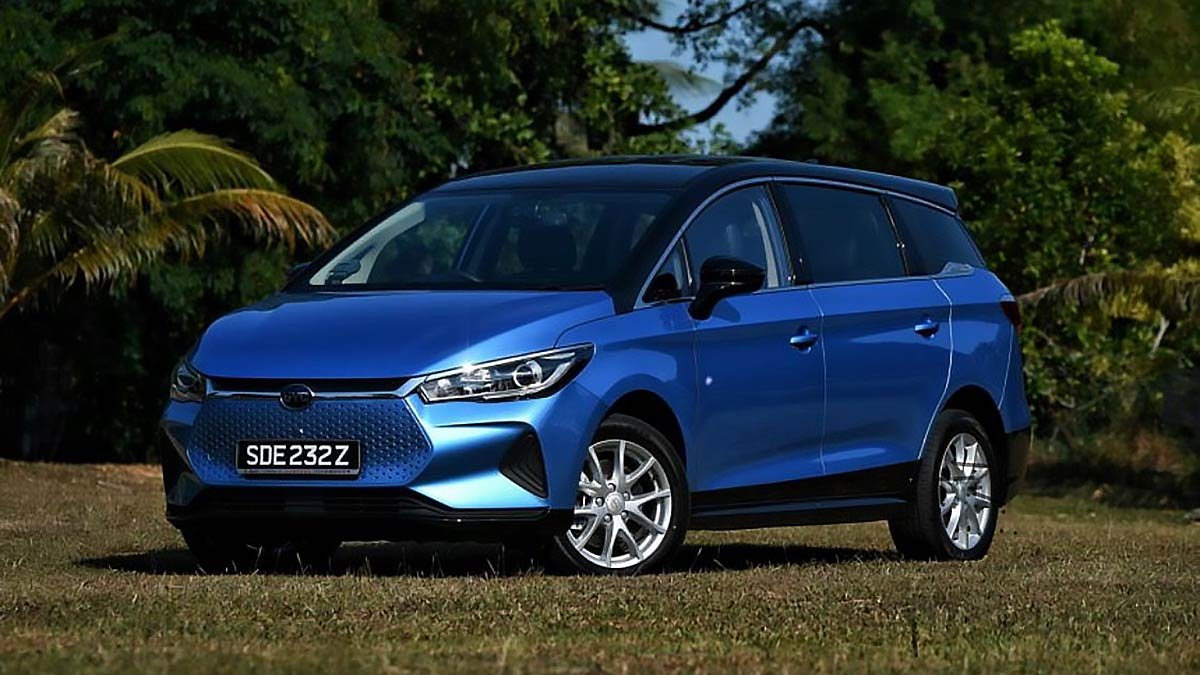
What is now Australia’s cheapest electric passenger vehicle – the BYD e6 electric crossover – is now on sale from just $39,999 through Nexport subsidiary EVDirect, and odds are its newly won status won’t last long. That’s because there are currently just 15 units of the new e6 currently in Australia. But, as reported by The Driven in July, if interest is high, Nexport CEO Luke Todd says there will definitely be room to import more. Made by the Warren Buffet-backed Chinese EV and battery maker BYD, the e6 is one of a series of electric vehicles planned for import by Nexport. It joins the T3 electric commercial van which is also now available and is officially Australia’s most affordable EV including commercial and passenger vehicles at just $34,950 before on-roads. Several thousand BYD e6 vehicles are currently in operation as taxis in China, and the e6 is billed as a family-friendly people mover. At first glance it would seem perfectly suited to toppling the MG ZS EV off the “Australia’s cheapest EV” post – which is exactly what it has just done. Undercutting the $44,990 driveaway MG ZS EV by several thousand, the BYD e6 is a 4.7m long, 1.93 tonne five-seater with a 71.7kWh BYD Blade battery. There are some questions around its driving range – the Chinese BYD site lists it with 402km maximum range while the EVDirect site states 522km. On the front page it says this is according to WLTP rating, however on the specifications page it states in the fine print this is the NEDC rating. We’ve reached out to Nexport to clarify. Either way, it outdoes the MG ZS EV which has a real world range of about 230km. Power output is a modest 70kW, maximum torque is 180Nm and top speed is 130km/hr, but as we said this is a vehicle meant for moving people, not smoking traffic lights. With a 2.8m wheelbase it has a turning radius of 5.65m, while suspension sits on McPherson struts with a multi-linked rear. In terms of charging, the BYD e6 has been modified to accept CCS2 DC fast charging at a top rate of 60kW, and AC charging at a top rate of 6.6kW using a Type 2 connector. Vehicle controls are via a central dash touchscreen, and early images show a roomy seating plan with comfortable leather seats. The BYD e6 is initially available in blue or white. Source: https://thedriven.io/2021/08/03/byd-e6-is-now-australias-cheapest-passenger-electric-vehicle/ ——————————————————————————— According to sgCarMart’s new car listing, the BYD e6 is also the cheapest passenger electric vehicle currently available in Singapore’s market. My opinion: I have only seen the BYD e6 once on the road before. And my only experience with BYD was when I sat in the now-defunct HDT taxi a few years back. I didn’t have much impression about the brand or car, except that it really reminded me of a Toyota Wish. I would love to hear your opinion and/or thoughts on the BYD e6 or BYD vehicles in general. Do yall think it would be the “mainstream” car once the EV policy kicks in? And for its price tag, would you consider purchasing one?

- 55 replies
-
- 2
-
-
- electric vehicle
- byd
- (and 1 more)
-
Source: https://insideevs.com/news/663595/byd-seagull-ev-priced-11400-usd-gets-10000-orders-first-day/ BYD has officially unveiled the Seagull subcompact EV and kicked off pre-sales at Auto Shanghai 2023. The B-segment hatchback is shaping up to be a big success, with the automaker already reporting 10,000 pre-orders in the first 24 hours after it made its world debut at the auto show press conference. Part of BYD's Ocean series, which also includes the Dolphin compact hatchback and Seal mid-size sedan, the Seagull is also the brand's cheapest EV to date. It starts at just $11,400 (78,800 yuan) in China, which probably explains the high number of orders in such a short timespan. Based on BYD's e-Platform 3.0 – just like the Dolphin and Seal – the Seagull is powered by a front-mounted electric motor rated at 55 kilowatts (74 horsepower). Customers can choose between two BYD Blade LFP battery packs, a 30-kilowatt-hour pack with a CLTC range of 190 miles (305 kilometers) and a 38-kWh battery offering 251 miles (405 km) of CLTC range. Both batteries offer DC fast charging capability, which allows the BYD Seagull to charge up to 80 percent in 30 minutes. When it comes to dimensions, the BYD Seagull bridges the gap between the city car and subcompact segments, measuring 148.8 inches (3,780 millimeters) in length, 67.5 in (1,715 mm) in width, and 60.6 in (1,540 mm) in height, with a wheelbase of 98.4 in (2,500 mm). That means it's 13.6 in (345 mm) shorter, 2.1 in (55 mm) narrower, and 1.2 in (30 mm) lower than the BYD Dolphin. The five-door, four-seat hatchback features a modern design that's somewhat similar to the Dolphin, if a bit more daring. The Seagull features sharp headlights available with LEDs, a large windshield with a single wiper, "floating roof" design, a rear LED light bar that reminds of the BYD D1 minivan, and a sporty roof spoiler. Inside, the Seagull features a 5-inch instrument cluster and a 12.8-inch infotainment screen, a sporty steering wheel with a flat bottom, a wireless charging pad, and two cup holders. The BYD Seagull has all it takes to become a best-selling EV in its market segment – if not overall. Actually, analysts told Reuters that it could become the best-selling EV in the country within six months of its launch. That could make the BYD Seagull the best-selling EV in the world given the size of China's EV market.
-
Everything you need to know about the BYD EA1 All the details of the BYD Dolphin, which we initially knew by its codename ‘BYD EA1,’ are now officially out now. Australia will get the BYD Dolphin, Nexport, the country’s official distributor of BYD vehicles, has confirmed. Design Wolfgang Egger, the former Audi design chief who is now the Global Design Director at BYD, has designed the Dolphin. The little electric hatchback is the first BYD model to adopt the company’s “marine design concepts,” and it premieres a new logo as well. The new Chinese EV features a swoopy but odd-faced front and sporty side and rear structures. The interior has a fluidic and minimalist design theme and a huge central touchscreen in landscape orientation. The cabin has more than 20 storage spaces, and the boot can accommodate four 20-inch cabin bags. YouTube channel Wheelsboy has uploaded a walkaround showing the BYD Dolphin in the metal. On the outside, the design of the lights, especially the tail lights, impresses the presenter. The technical-looking tail lights take inspiration from the Chinese knotting handicraft. The 16-inch two-tone alloy wheels look more than inspired by the VW ID.3’s 20-inch Sanya rims. Inside, the cylindrical panel of physical controls on the centre console has the attention of the YouTuber. Indeed, this panel with rotary dials for most functions and a nice little gear selector switch that allows selecting, drive, neutral, and drive with a simple flick is a neat touch. The sports seats in two-tone white/black colour and orange accents make the cabin very appealing for young car buyers. Platform The BYD Dolphin sits on the company’s new e-platform 3.0, but it is just an economical city car. So, it doesn’t benefit from the platform’s top-end specifications, like support for 800-volt high-power chargers for rapid charging, for instance. BYD calls e-platform 3.0 “the cradle of the next generation of electric vehicles.” The design of the vehicle body integrates the company’s ultra-safe Blade battery pack into it as a structural part. The new platform allows parameters like 2.9-second 0-100 km/h acceleration time, a 1,000 km range, and rapid charging at a level powerful enough to gain a 150 km range in just five minutes. The company suggests that the torsional rigidity of e-platform 3.0 models can be double that of its ICE models. Specifications The BYD Dolphin measures 4,070-4,150 mm in length, 1,770 mm in width, and 1,570 mm in height. The small electric car has a 2,700 mm wheelbase. It is available in three technical configurations, each with a different range. The base and middle configurations employ a 70 kW/180 Nm permanent magnet synchronous motor. This motor draws energy from a 30.7 kWh Blade LFP battery pack in the base configuration and a 44.9 kWh Blade LFP battery pack in the middle configuration. The base configuration provides a range of 301 km (NEDC), and the middle configuration allows a noticeably longer range of 405 km (NEDC). Both these configurations feature 16-inch alloy wheels with 195/60 R16 tyres. The top-end BYD Dolphin, which should make it to Australia, gets a more potent permanent magnet synchronous motor that generates 130 kW (177 PS) and 290 mm of torque. An MIIT filing that we have accessed has shown that it can attain a top speed of 160 km/h. Its battery pack is the same 44.9 kWh unit as that of the middle configuration, but it gives a slightly lower range of 401 km (NEDC). Price & Features The BYD Dolphin launch in China was held at the 2021 Chengdu Auto Show on 30 August 2021, with prices falling in the range of CNY 93,800-121,800 (AUD 19,808-25,721). According to a report from autohome.com.cn, BYD received 2,000 pre-orders for the Dolphin in just one hour after pre-sales began on 13 August 2021. LED headlights and taillights, heated ORVMs, 12.8-inch touchscreen infotainment system, 5-inch digital instrument cluster, heat pump, 6-way adjustable driver seat, 4-way adjustable front passenger seat, driving recorder, mobile key (NFC-based), and a panoramic sunroof are some of the main features of the Dolphin. It is worth noting here that no other EV in this segment comes with a heat pump.
-
As I have mentioned in a few threads here, China is the leader in EV development and many big names in the automotive industry are trying hard to form JV with some of these well establish EV manufacturers. And I vividly remember 1 MCFer even asked for 'China Talk' folder to be removed from the forum, wait till you see the motoring trend in the next 3 - 5 years... BTW, noticed that it is BYD Toyota EV Technology instead of Toyota BYD EV Technology? BYD, Toyota Launch BYD TOYOTA EV TECHNOLOGY Joint Venture to Conduct Battery Electric Vehicle R&D Toyota City, Japan, April 2, 2020―BYD Company Ltd. (BYD) and Toyota Motor Corporation (Toyota) announced today that preparations have proceeded since they signed an agreement for the establishment of a joint venture company to conduct research and development of battery electric vehicles (BEVs) on November 7, 2019, and registration of the new company has been completed. Operations are scheduled to commence in May 2020. The name of the new company is BYD TOYOTA EV TECHNOLOGY CO., LTD. (BTET). Hirohisa Kishi from Toyota will serve as chairman, and Zhao Binggen from BYD will be the chief executive officer (CEO). New Chairman Hirohisa Kishi said with regard to the establishment of the company, "With the engineers from BYD and Toyota working together under the same roof, we aim to develop BEVs that are superior in performance and meet the needs of customers in China by merging the two companies' strengths and also through friendly rivalry." Newly appointed CEO Zhao Binggen commented, "This joint venture company will focus on the research and development of battery electric vehicles with technology and know-how from both China and Japan. The company is committed to promoting and populating high-quality technologies that make battery electric vehicles more environmentally friendly, safe, comfortable, and intelligent. Our vision is to create a future customer-first mobility style, and a harmonious society for humans and nature." BYD and Toyota will work together to meet the diverse needs of customers by researching and developing BEVs that appeal to customers and promoting their widespread adoption and also hope to contribute to improving the environment in China. Overview of the Joint Venture Company Name: BYD TOYOTA EV TECHNOLOGY CO., LTD. (BTET) Location: Head officePingshan District, Shenzhen City, Guangdong Province Chairman: Hirohisa Kishi (Senior Executive Vice President, Toyota Motor Engineering & Manufacturing (China) Co., Ltd.) CEO: Zhao Binggen (BYD Company Ltd.) Directors: 6 (3 from Toyota and 3 from BYD) Auditors: 2 (1 from Toyota and 1 from BYD) Business Activities: Design, development, etc. of battery electric vehicles and their platforms and related parts Equity participation: Toyota Motor Corporation (50%), BYD (50%) Employees: Approx. 300
- 18 replies
-
- 10
-
-
.png)